A history of every plug Apple has made you adopt, then abandon
The Cable Drawer
I still have a drawer like this one: cables for ports that don’t exist anymore, a shoebox of dongles I bought once and never touched again, a white cord I can’t quite bring myself to throw out. Apple has changed its connectors more than almost anyone else in tech. Sometimes for good engineering reasons, sometimes, I’d argue, because a new port sells a fresh bag of $19 adapters. Here’s the whole drawer, in order.
01 · 1986–1998
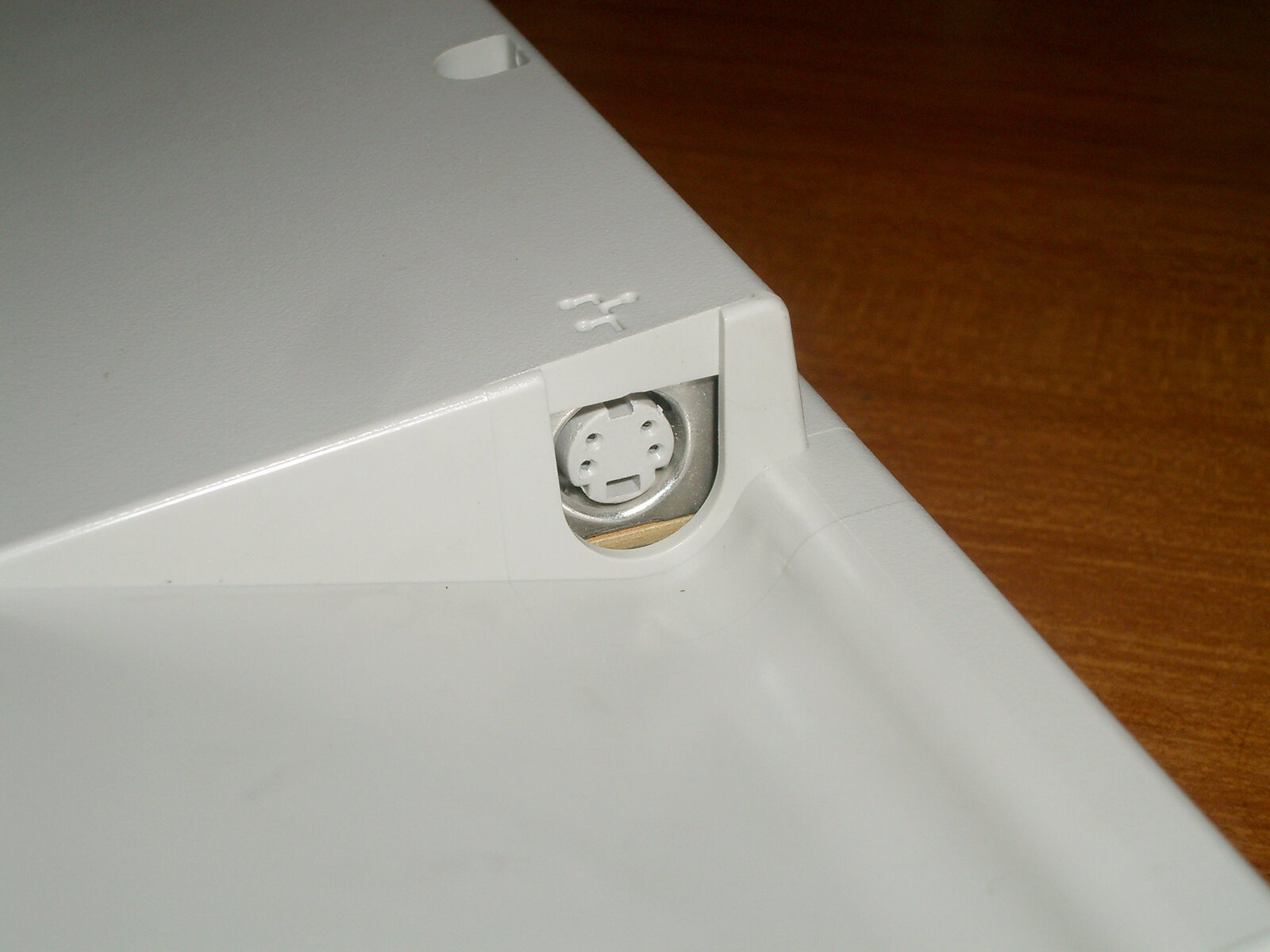
ADB: Apple Desktop Bus
A little round four-pin plug, designed by Woz, that ran every mouse and keyboard on a Mac for over a decade. It was slow on purpose, fine for a mouse, useless for much else.
You also weren't supposed to plug one in while the machine was running. Do it anyway and you could blow a fuse right on the logic board, which is the kind of thing that made Mac technicians of that era a little grey early.
The first iMac killed it in 1998, along with SCSI and the floppy drive, in one clean swing. Long overdue, honestly.
02 · 1986–1998
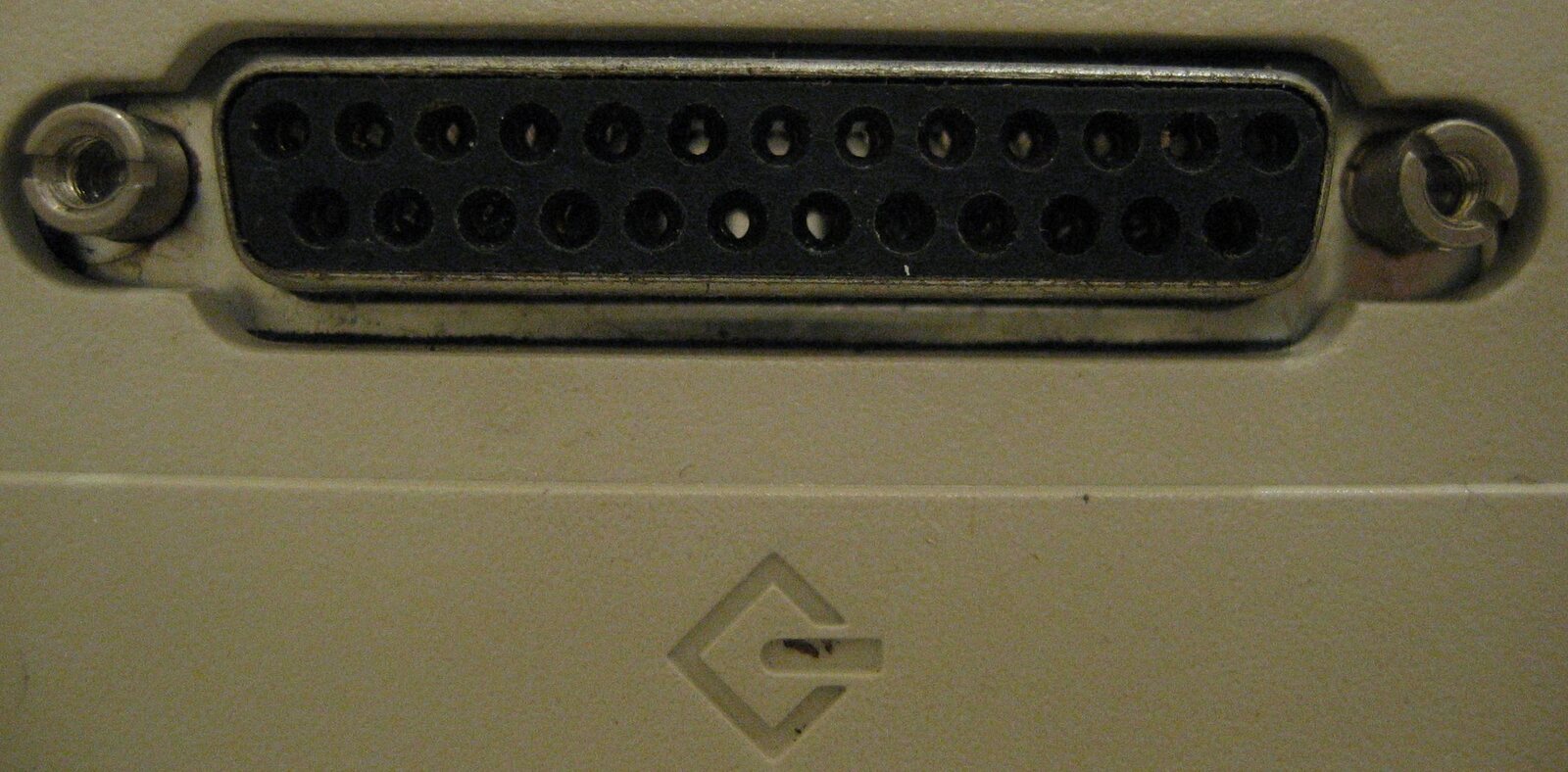
SCSI
The other half of that same 1998 clean-out. Apple used a smaller, non-standard 25-pin version of SCSI instead of the industry's full 50-pin connector, which saved space but weakened the signal.
It ran your hard drives, scanners and CD-ROM drives, and it made everyone miserable doing it. Every device in the chain needed its own ID number, both ends needed to be terminated, and getting either wrong meant the whole chain simply didn't work, with no better explanation than that. People called this SCSI voodoo, and they meant it as an insult.
03 · 1999–2016
FireWire
This one should have won. Apple had been working on it since 1986, but FireWire didn't actually ship in a Mac until the Power Mac G3 in January 1999, followed that October by the iMac DV and iMovie, which is really where it found its purpose, hauling camcorder footage onto a hard drive.
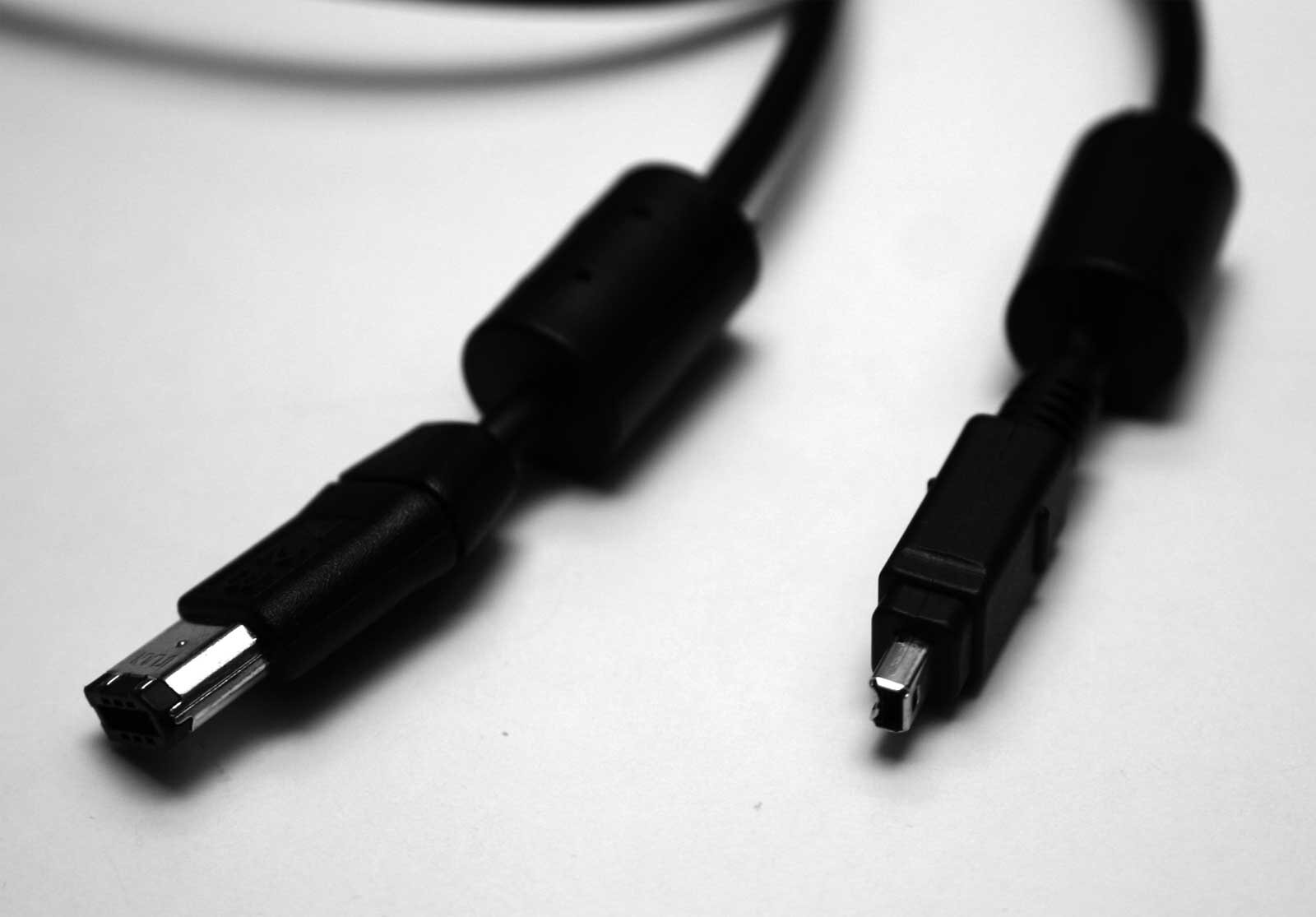
It came in a 6-pin version that carried power, and a smaller 4-pin one that didn't, the version Sony badged "i.LINK" on its own camcorders. FireWire 800 showed up in 2003 and roughly doubled the speed.
Then Apple announced a licensing fee of a dollar per port, and the rest of the industry, Intel very much included, just walked away and built the future around USB instead. Apple backed off within a month, but the damage was done. I still think that's one of the dumbest unforced errors in Apple's history. The last Mac with a FireWire port disappeared in 2016. Apple didn't even bother pulling the software support until 2025.
04 · 2003–2014
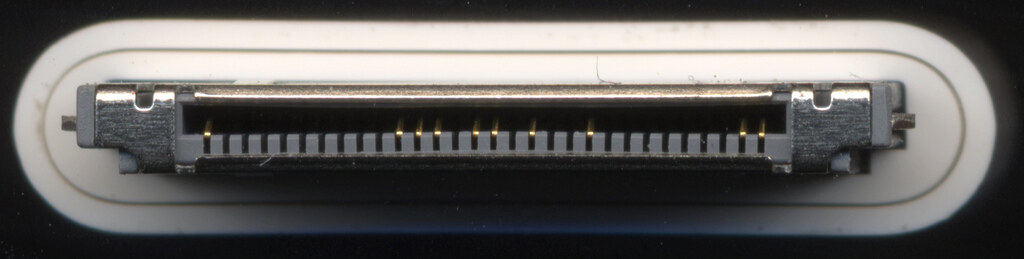
The 30-pin Dock Connector
It showed up with the third-generation iPod in 2003 and just kept taking on new jobs. Audio, then video, then serial data, until something like 27 of its 30 pins were actually doing something.
It also built an entire industry around one Apple part number: speaker docks, car stereos, factory-fit kits from BMW and Mercedes-Benz. All of it evaporated more or less overnight when Lightning arrived in September 2012. Apple sold a $29 adapter as a stopgap, and it didn't even pass video.
The last holdout was, fittingly, the iPod classic, discontinued the same day Apple announced the iPhone 6, reportedly because Apple simply couldn't get the parts anymore, not because anyone particularly wanted it gone.
05 · 2006–2016, 2021–present
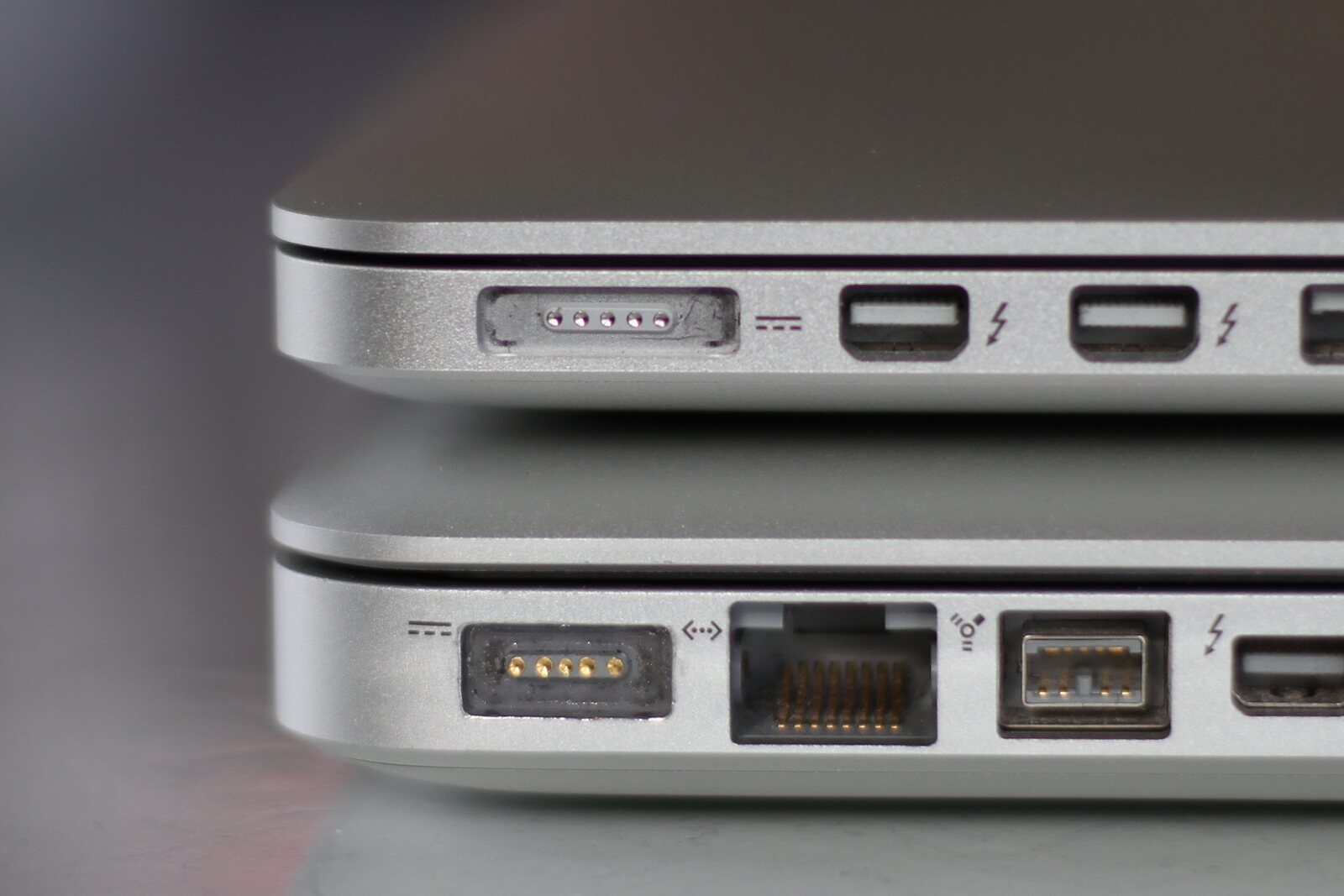
MagSafe
Steve Jobs introduced this one by asking a room full of people how many of them had yanked a laptop clean off a desk by tripping on the power cord. The answer was a magnetic plug that just popped free, inspired, the story goes, by the ones on rice cookers, which I love.
It got redesigned once, thinner, in 2012, in a shape that didn't fit the old plug, so you needed yet another adapter for that. Then in 2016 Apple dropped it completely for USB-C-only charging, and MagSafe just stopped existing on new Macs for five years.
It came back in 2021, right alongside HDMI and an SD card slot that had also quietly returned. About as close as Apple gets to admitting it got something wrong. Somewhere in the middle of all that, in 2020, Apple also put the MagSafe name on a completely different piece of iPhone technology. Same brand, no shared engineering, and it still confuses people.
06 · 2008–present
Mini DisplayPort → Thunderbolt
Mini DisplayPort arrived on the unibody MacBook in 2008, an Apple design, handed over to the industry as an open standard almost immediately. Thunderbolt came next, in 2011, a joint project with Intel that started life as a plan to run data over optical fiber, before someone worked out that plain copper wire could hit the same speed for a lot less money.
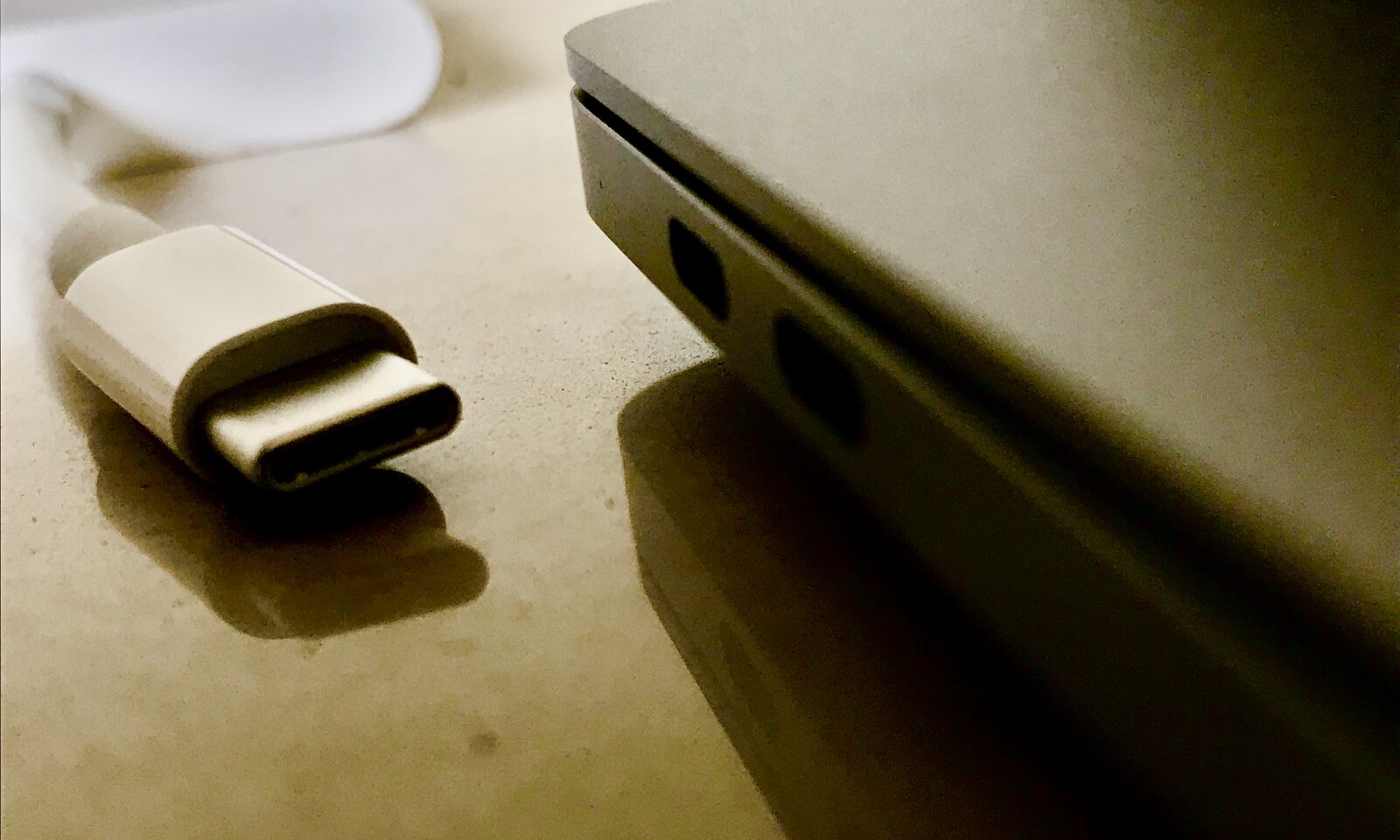
The cables were not cheap either way. Apple's first Thunderbolt cable launched at $49, because each end had its own signal-boosting chip built in, not just a length of wire. People called that highway robbery at the time, and honestly, they weren't wrong. Thunderbolt 3 finally switched to the USB-C shape in 2015, the one on every Mac today.
07 · 2012–2025
Lightning
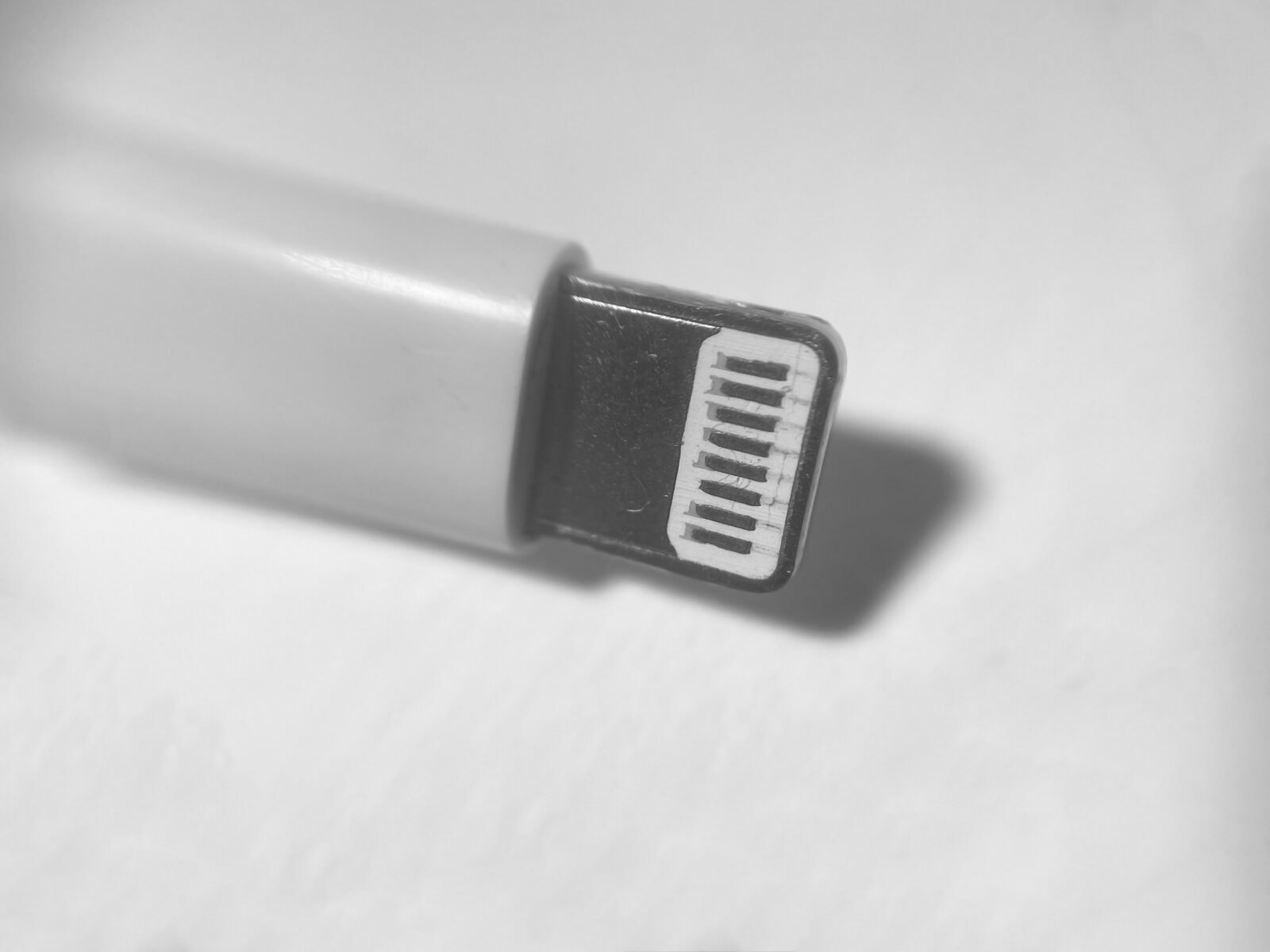
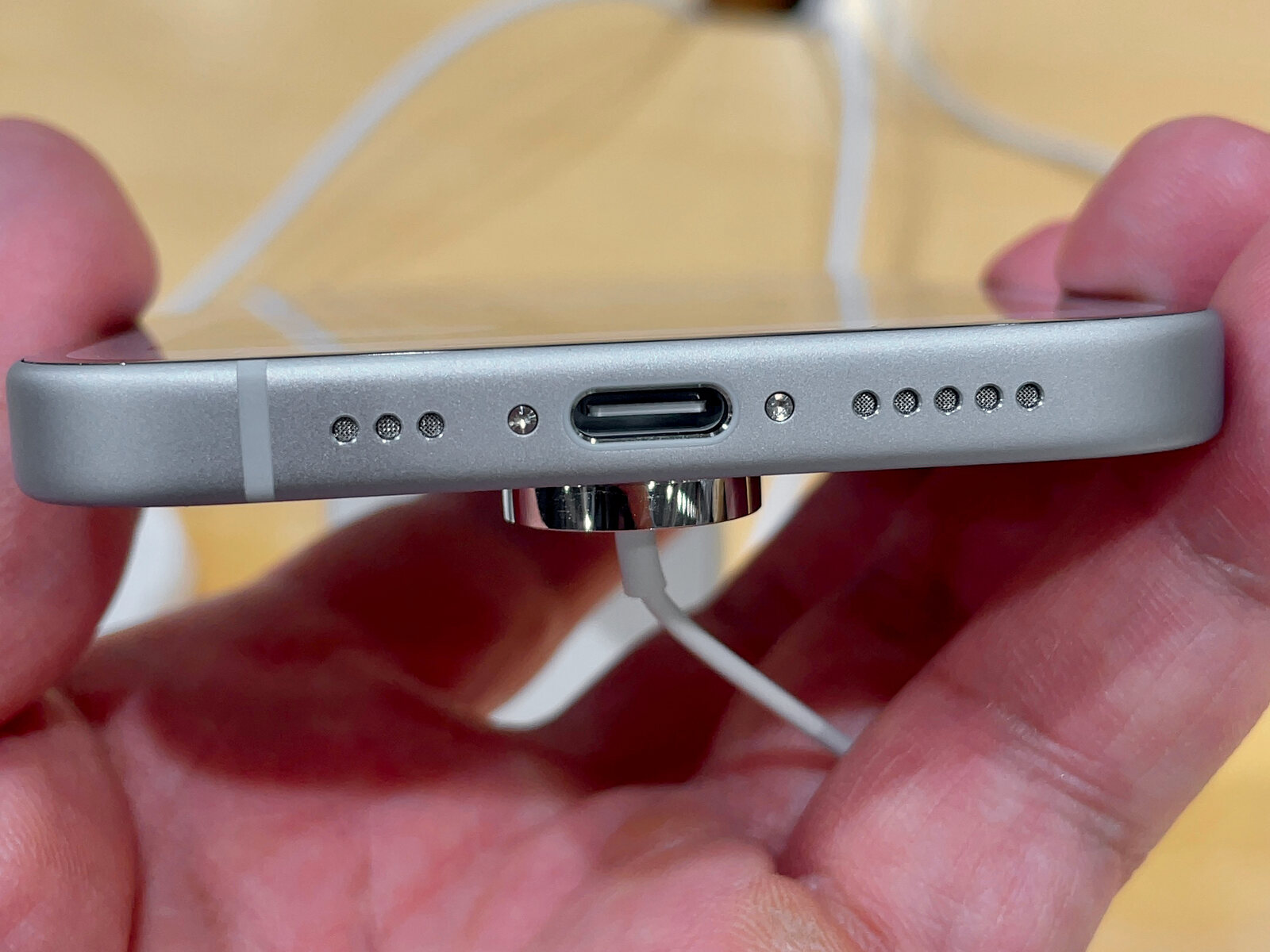
Announced with the iPhone 5 in September 2012, Lightning shrank Apple's connector from 30 pins to 8 and made it reversible for the first time. Genuinely nice to use. No more guessing which way was up in the dark.
Then there's the fine print. Every real Lightning cable has an authentication chip built into the plug, and making one legally means paying Apple a licensing fee, enough that plenty of cheap uncertified cables just skip the chip entirely, which is not something you want happening near your phone's charging port.
Apple kept Lightning on the iPhone for eleven years after moving the iPad and Mac to USB-C, and I don't think it's a coincidence that a law is what finally ended it. The EU forced the switch, Apple beat the deadline by over a year with the iPhone 15, and Lightning was gone from new iPhones by February 2025, a little over twelve years after it began.
08 · 2015–present
USB-C Arrives
Apple actually got to USB-C early, and did it in the boldest way it possibly could: the 2015 MacBook had exactly one port, total. Charging, data, video, all through a single USB-C connector, with nothing else on the machine but a headphone jack. Reviewers hated it immediately, and I understood why, but the direction was set.
USB-C reached the iPad in 2018, years before the iPhone got it, and it finally landed on the iPhone in 2023, thanks, again, mostly to that same EU law. Apple's own line on stage was that USB-C had "become a universally accepted standard." True. Also not really the whole story.
09 · 2016
The Headphone Jack Disappears
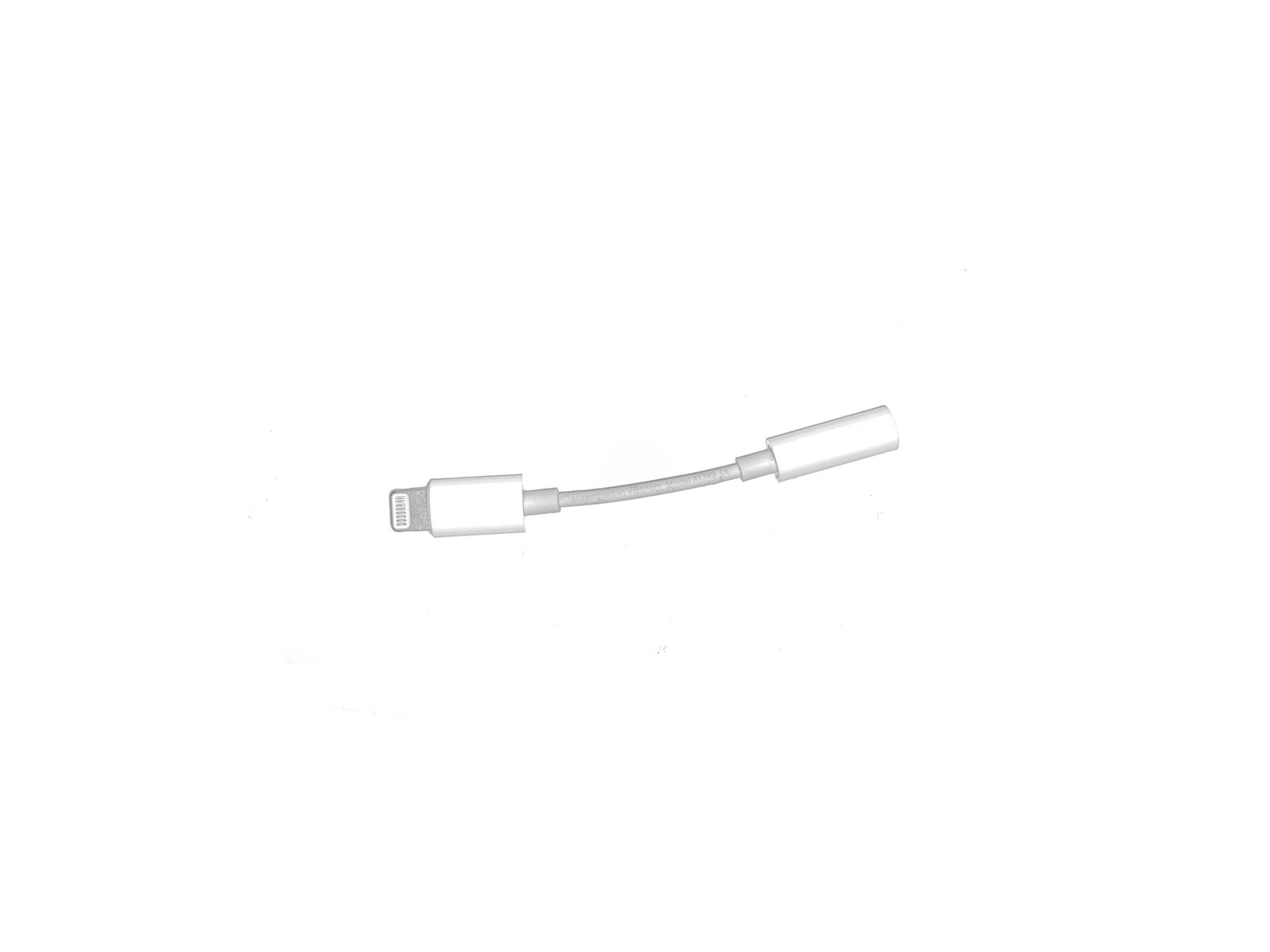
September 2016. Phil Schiller stood on stage and explained that removing the 3.5mm headphone jack (a format older than the compact disc) "really comes down to one word: courage." It did not go over well. Within the hour people were mocking it everywhere, and one tech site's response that same afternoon put it about as sharply as anyone could: removing the jack wasn't courage, it was leverage.
AirPods were announced at the very same event, which didn't help the argument. Apple did include a free Lightning-to-3.5mm adapter in the box, at first. That quietly disappeared two years later and became a $9 accessory instead.
The best part: almost every company that mocked Apple for this went on to drop their own headphone jack within a couple of years. Samsung deleted its own mocking ad from YouTube the very same week it dropped its jack.
10 · 2016
Dongle-Gate
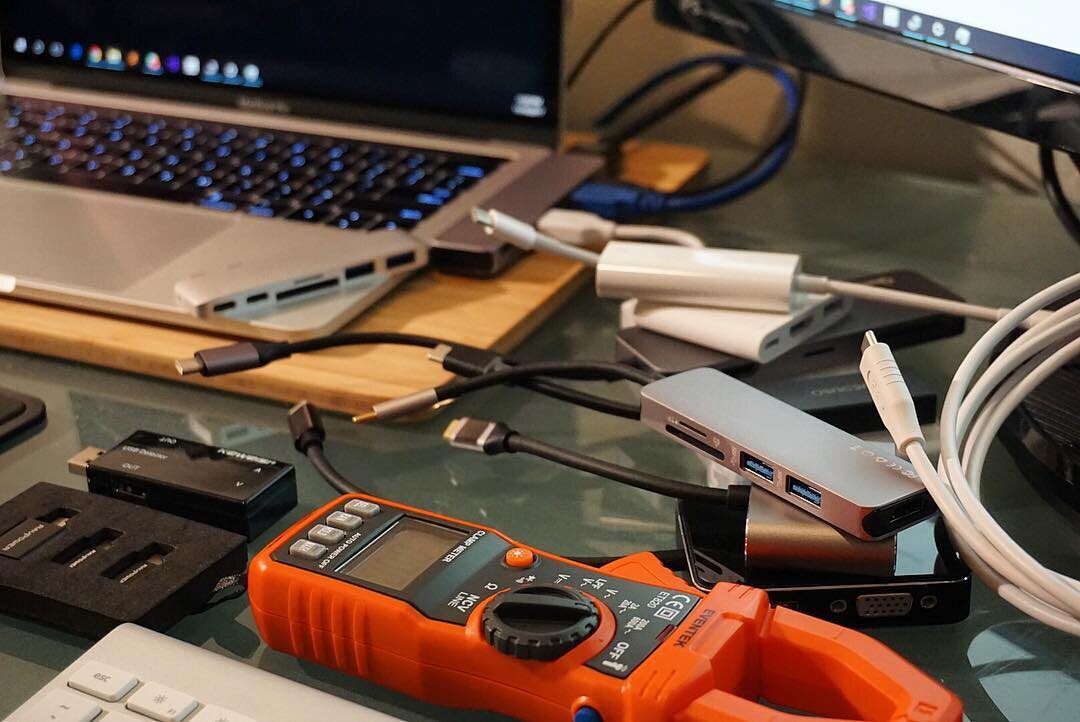
Seven weeks after the headphone jack, Apple did it again to the Mac. The new MacBook Pro kept its headphone jack and removed everything else (no USB-A, no HDMI, no SD card, no MagSafe, just identical USB-C ports, all the way across). Putting back what used to simply be built in cost, by one contemporary tally, $264.40 in Apple's own adapters. People started calling it Dongletown, and the name stuck.
Schiller defended it, more or less unmoved, arguing the loudest criticism mostly came from people who hadn't actually used the thing yet. Apple quietly cut adapter prices 20 to 40 percent the following week anyway.
Five years on, the next redesign brought HDMI, the SD card slot and MagSafe quietly back. No announcement, no apology, just back. One tech writer's headline said it better than Apple ever would: "Exile from Dongletown."
Last updated: 2026-10-01