iPhone buying guide
iPhone model differences explained
A plain-English guide to iPhone model differences: standard vs Plus vs Pro vs Pro Max, SE, mini and Air, with feature tiers, camera/display differences and recent model links.
Quick decoder
Standard iPhone
The default iPhone: current design, strong chip, excellent main camera, and the lowest price in the mainline launch family.
- Display
- Mainstream size, usually 6.1-6.3 inches
- Camera
- Usually two rear cameras and no dedicated telephoto
- Performance
- Often close to Pro speed, sometimes without the Pro GPU or Pro-only media features
- Best for
- Most people who want the new iPhone without paying Pro prices
Plus
The standard iPhone made larger: same general feature set as the base model, bigger display, and usually better battery life.
- Display
- Largest non-Pro display
- Camera
- Same camera tier as the standard model
- Performance
- Same chip class as the standard model
- Best for
- People who want screen size and battery more than Pro cameras
Pro
The smaller flagship: the better camera system, higher-end materials, ProMotion on newer models, and the most advanced chip tier.
- Display
- Newer Pro models add ProMotion and, on some generations, always-on display
- Camera
- Telephoto, more pro video/photo modes, and LiDAR on many modern Pro generations
- Performance
- Pro chip or higher GPU tier on recent generations
- Best for
- Camera/video users who do not want the biggest phone
Pro Max
The biggest flagship: Pro features plus the largest display and battery; some years it also gets the best zoom or a higher base storage tier.
- Display
- Largest iPhone display in the Pro family
- Camera
- Usually the full Pro camera system; some years the Max gets the best telephoto lens first
- Performance
- Same Pro chip class, with more room for battery and thermals
- Best for
- People who want the best battery, biggest screen, and top camera package
mini
The small flagship experiment: standard-iPhone features squeezed into a one-hand body.
- Display
- Smallest modern all-screen iPhone
- Camera
- Standard camera tier, not Pro
- Performance
- Same chip class as its standard sibling
- Best for
- Small-phone fans who can accept shorter battery life
SE / e
The value/simplified line: lower entry price, fewer premium features, and often an older or simpler design with a strong chip inside.
- Display
- Usually smaller or simpler display hardware
- Camera
- Single or simplified camera system
- Performance
- Good chip value, fewer premium sensors and display features
- Best for
- Price-sensitive buyers and people who prefer simpler phones
Air
The thin-and-light branch: a design-first model for people who value lightness and feel over having every Pro camera feature.
- Display
- Large modern display in a thinner body
- Camera
- More selective camera package than Pro
- Performance
- Modern performance, tuned around thinness
- Best for
- People who want the lightest-feeling current iPhone
Which iPhone tier has the feature you want?
| If you care about... | Start with... | Why |
|---|---|---|
| Bigger screen | Plus or Pro Max | Plus keeps the regular feature set but grows the body; Pro Max gives you the biggest Pro screen. |
| Best camera system | Pro or Pro Max | Look for telephoto, LiDAR, ProRAW/ProRes, macro, and the generation-specific zoom improvements. |
| Smoothest display | Pro or Pro Max | Modern Pro models are where Apple puts ProMotion high-refresh-rate displays first. |
| Best battery life | Plus or Pro Max | The larger body usually leaves more room for battery. Pro Max is typically the no-compromise pick. |
| Lowest mainline price | Standard, SE, or e | The standard iPhone is the normal new model; SE/e models trade features for a lower entry price. |
| Smallest phone | mini or SE | mini keeps a modern all-screen design; SE keeps the simpler value-phone idea. |
| Fastest wired transfers | Recent Pro models | USB-C alone does not guarantee the fastest transfer tier; Pro models are where Apple has put higher-speed USB on recent iPhones. |
Recent iPhone families by year
Use this to see where Apple placed the base, Plus/mini/Air, Pro and Pro Max models in each recent launch year.
Good examples to compare
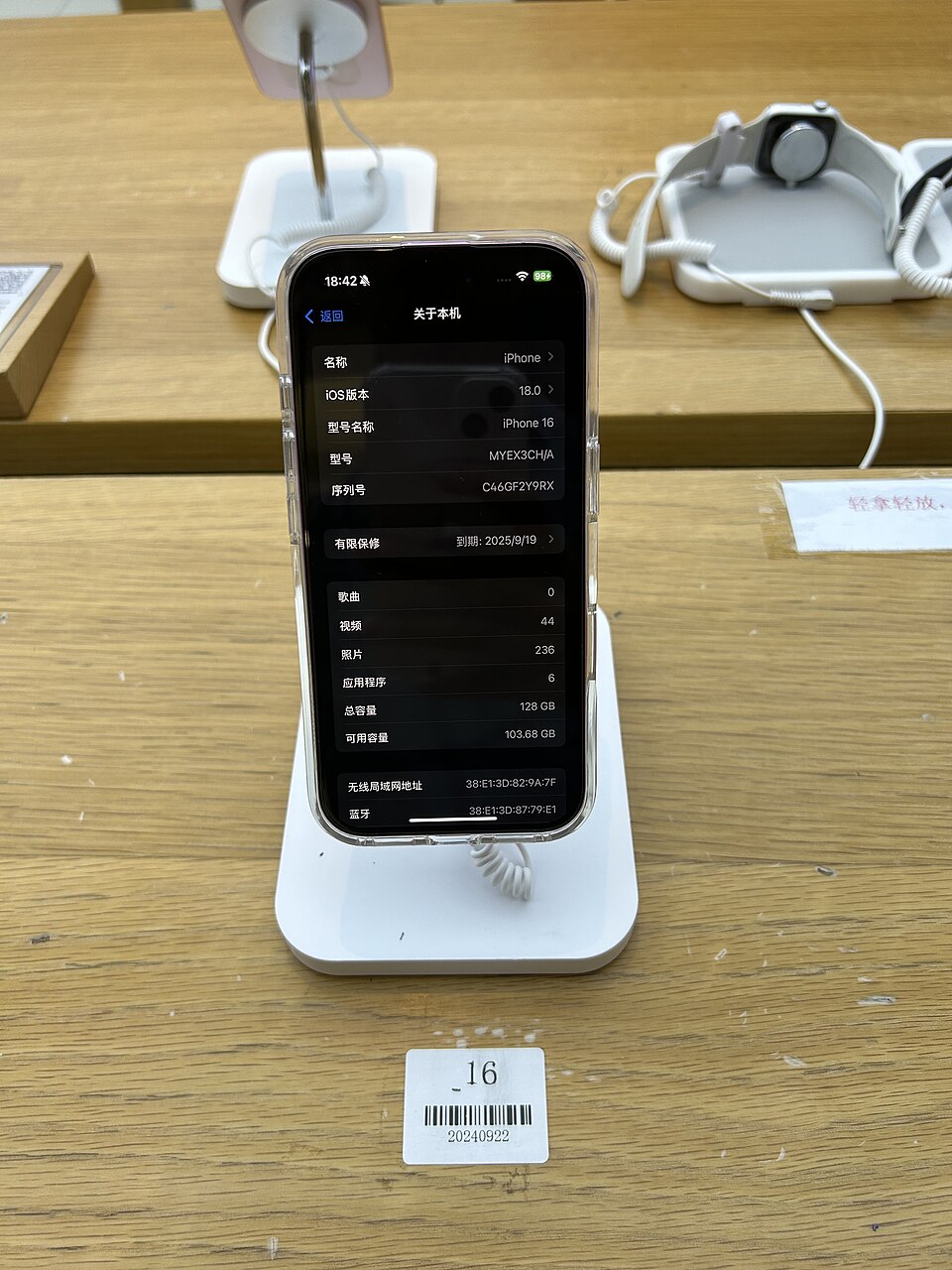 iPhone 16Designed around Apple Intelligence, the 16 added a pressure-sensitive Camera Control button and bumped RAM to 8 GB to run on-device AI.
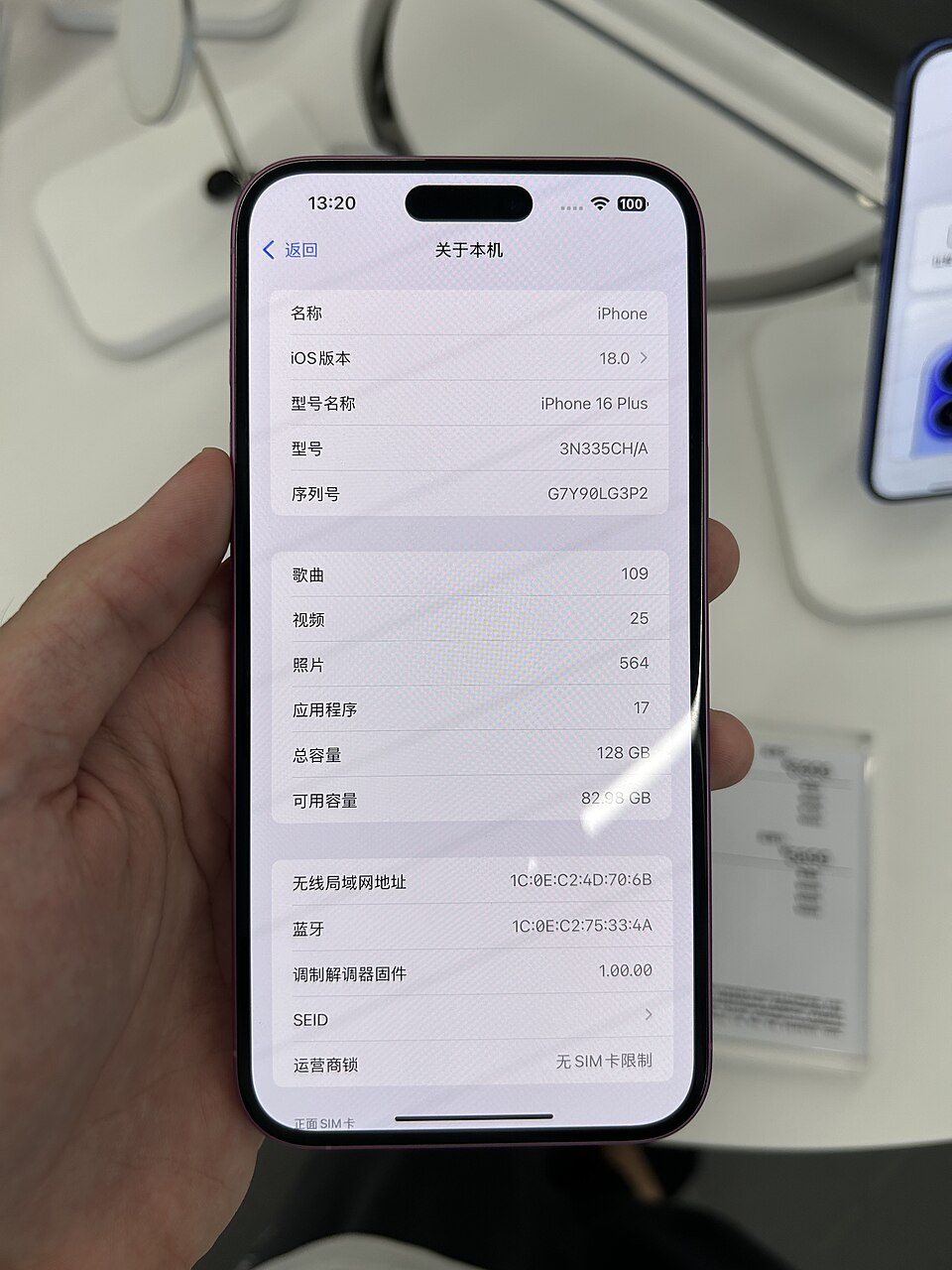 iPhone 16 PlusThe big standard iPhone with Camera Control, Apple Intelligence and an enormous battery, in fresh ultramarine and teal finishes.
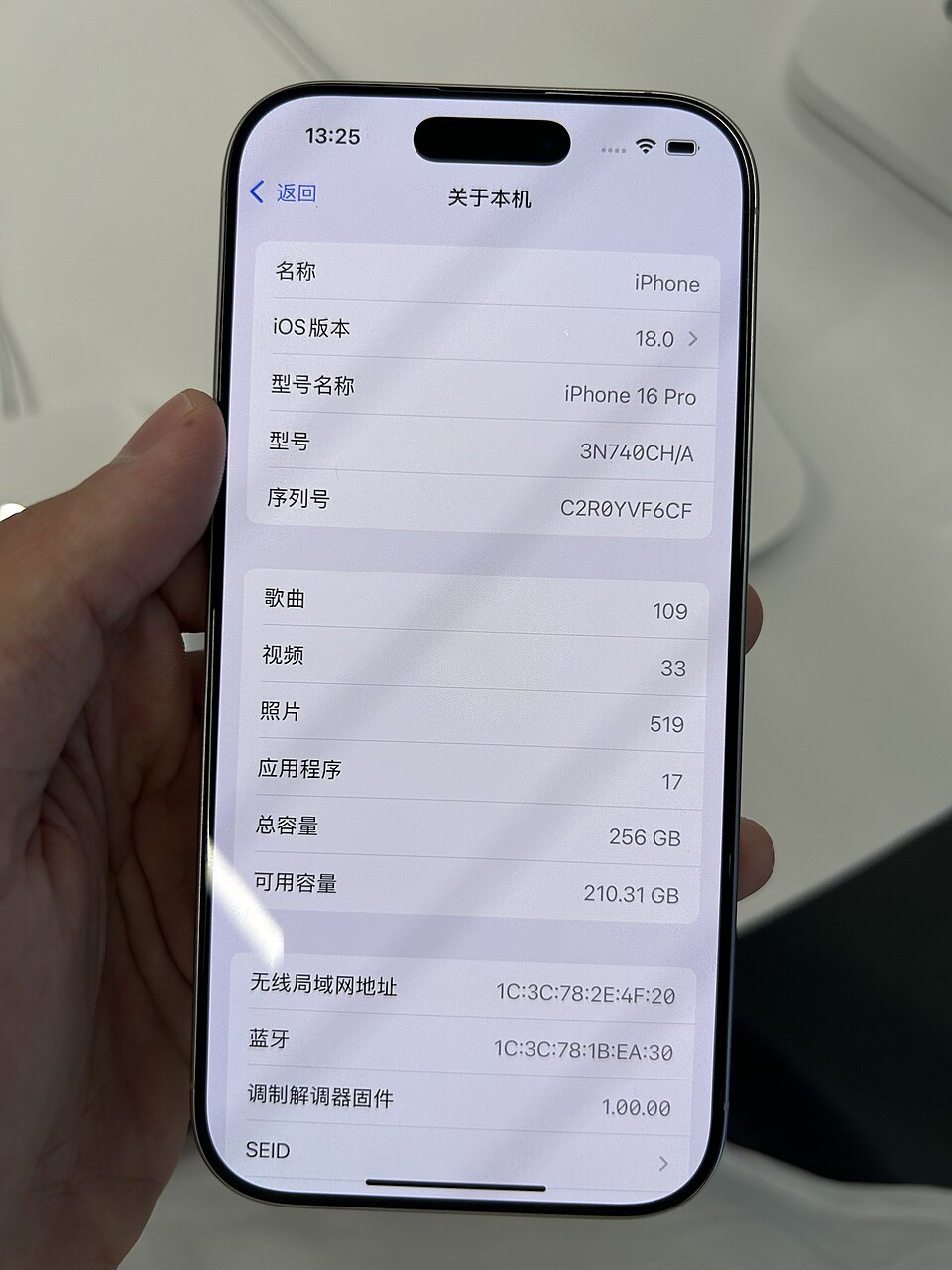 iPhone 16 ProThe Pro grew slightly to 6.3", gained the Camera Control button and could shoot 4K at 120 fps.
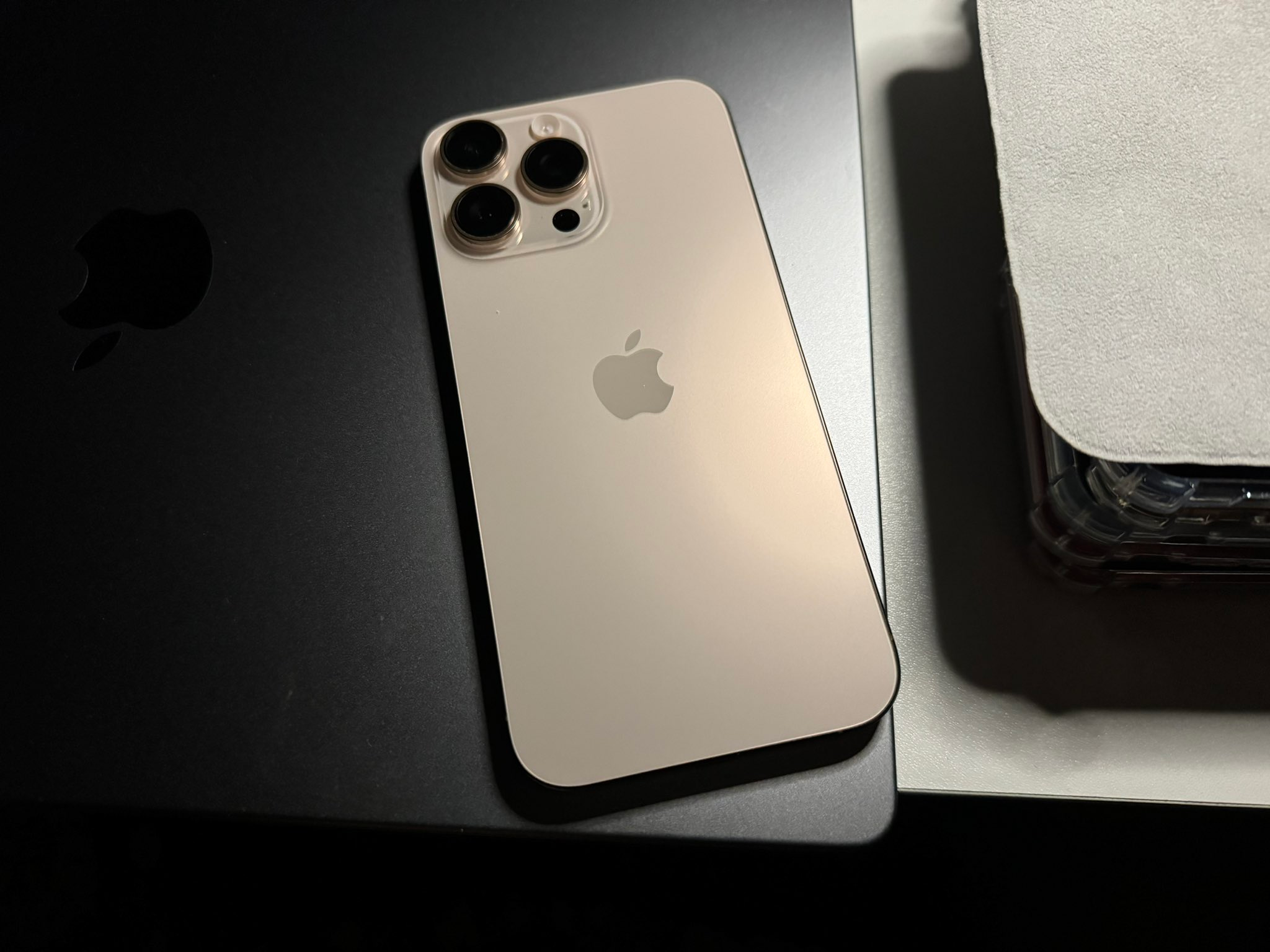 iPhone 16 Pro MaxThe biggest iPhone yet at 6.9", with the full Pro camera array including 5× zoom, Camera Control and 4K/120 video.
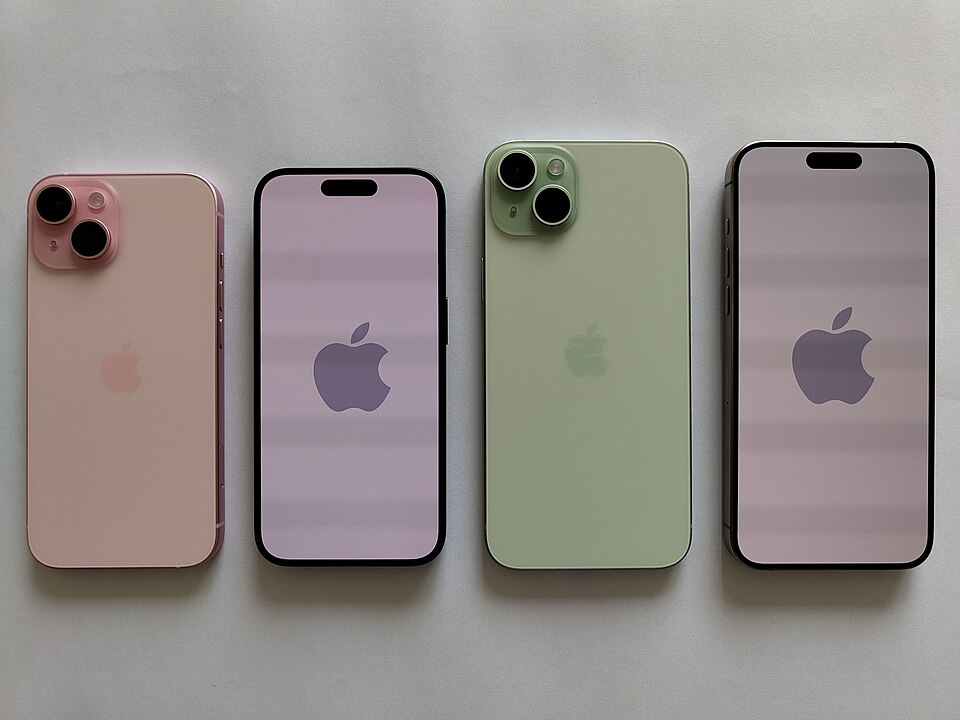 iPhone 15The mainstream iPhone finally got the Dynamic Island, a 48 MP camera and, thanks to EU law, USB-C, ending the Lightning era for the base model.
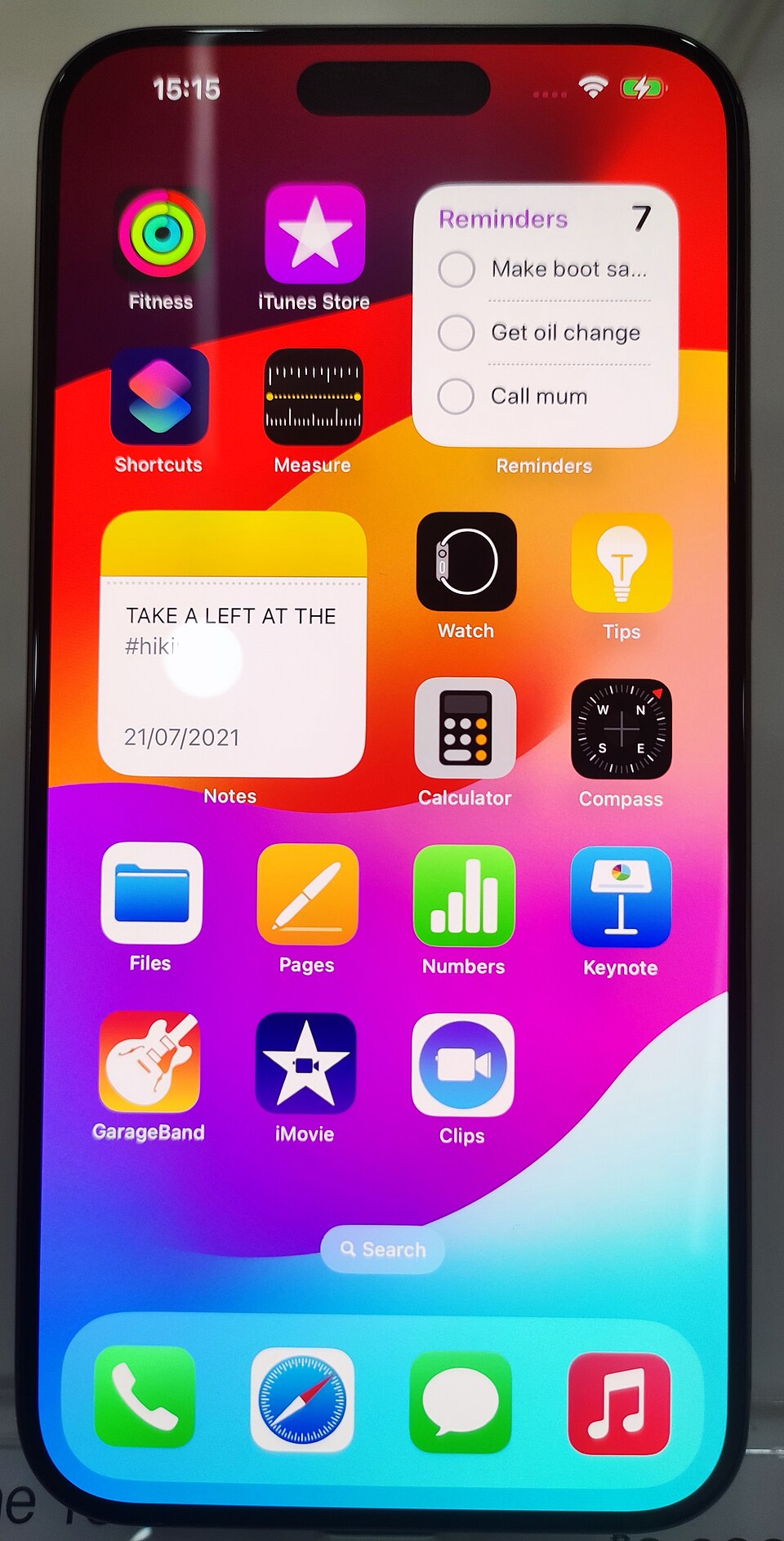 iPhone 15 ProApple swapped steel for lighter titanium, replaced Lightning with USB-C, turned the mute switch into a customisable Action Button, and brought console-grade ray tracing to a phone.
 iPhone 13 miniThe last small iPhone, with a smaller notch, better battery and the speedy A15.
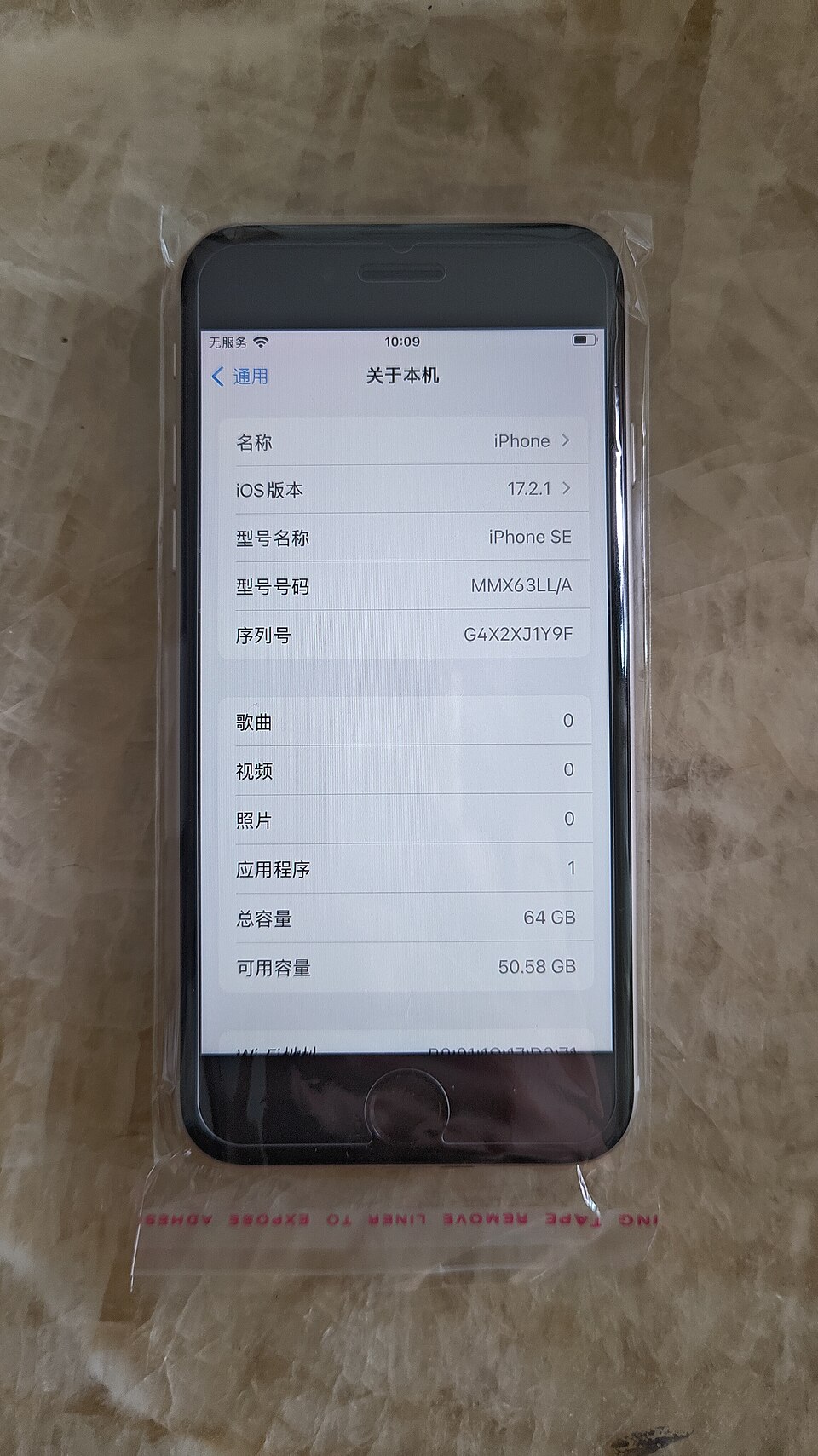 iPhone SE (3rd generation)The last Home-button iPhone: flagship A15 speed and 5G in the old iPhone 8 body, for the lowest current-iPhone price.
Open exact side-by-side comparisons
Last updated: 2026-10-01