Apple music archive
Every iPod model, from click wheel to touch
A complete iPod timeline covering classic iPods, mini, nano, shuffle and iPod touch models, with storage, prices, design notes and Apple history context.
20 models2001 first entry2019 latest entry
All models
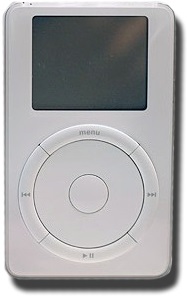 iPod (1st generation)A 5 GB hard drive, a scroll wheel and FireWire syncing turned a messy MP3 player into something you could actually use.
 iPod (3rd generation)Thinner and all-touch, with a glowing row of capacitive buttons and the new dock connector that would link iPods and iPhones to the world for the next decade.
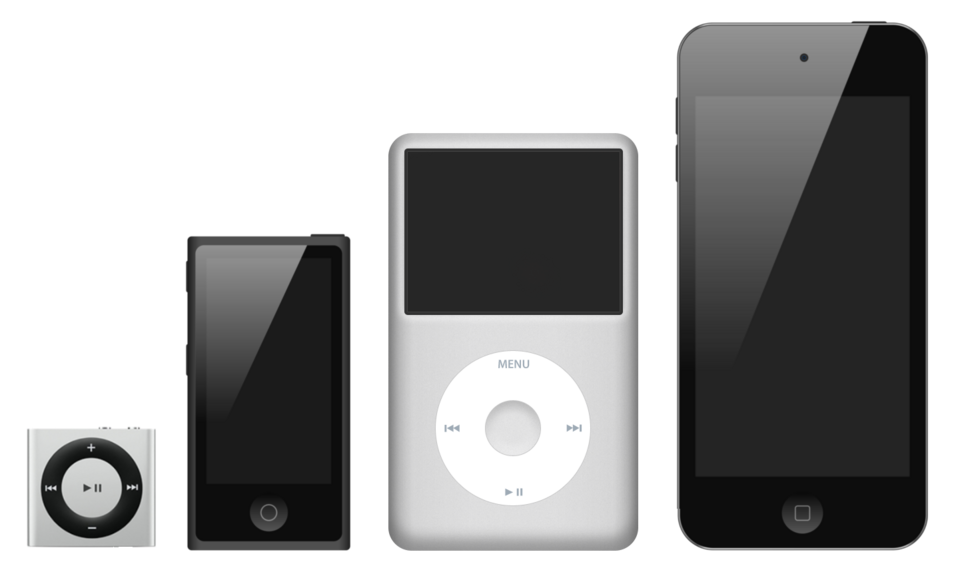 iPod (4th generation, Click Wheel)The full-size iPod adopted the elegant solid-state Click Wheel and gained much better battery life.
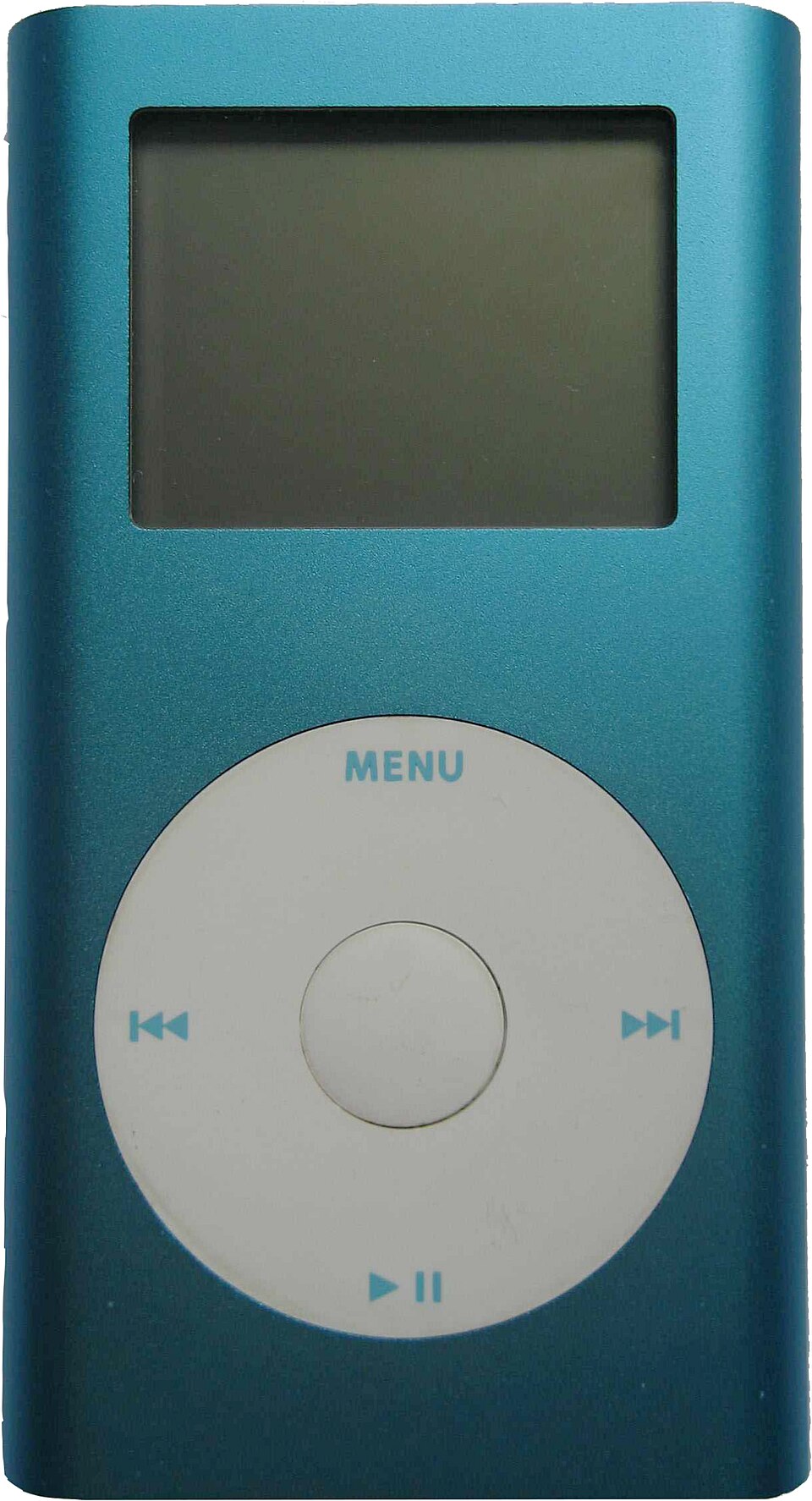 iPod miniSmaller, lighter and available in five anodised colours, the mini introduced the solid-state Click Wheel every later iPod used.
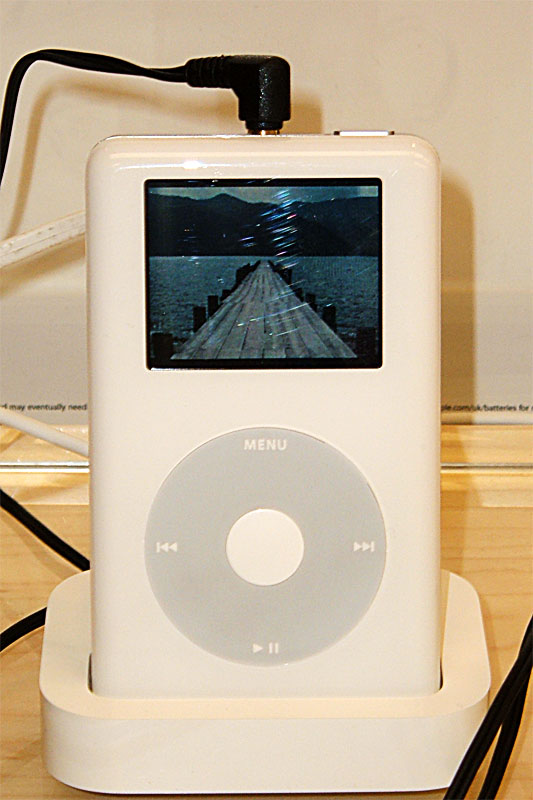 iPod photoBefore the iPod played video, it learned to show photos: album art, slideshows and a colour UI that made the monochrome iPods suddenly feel old.
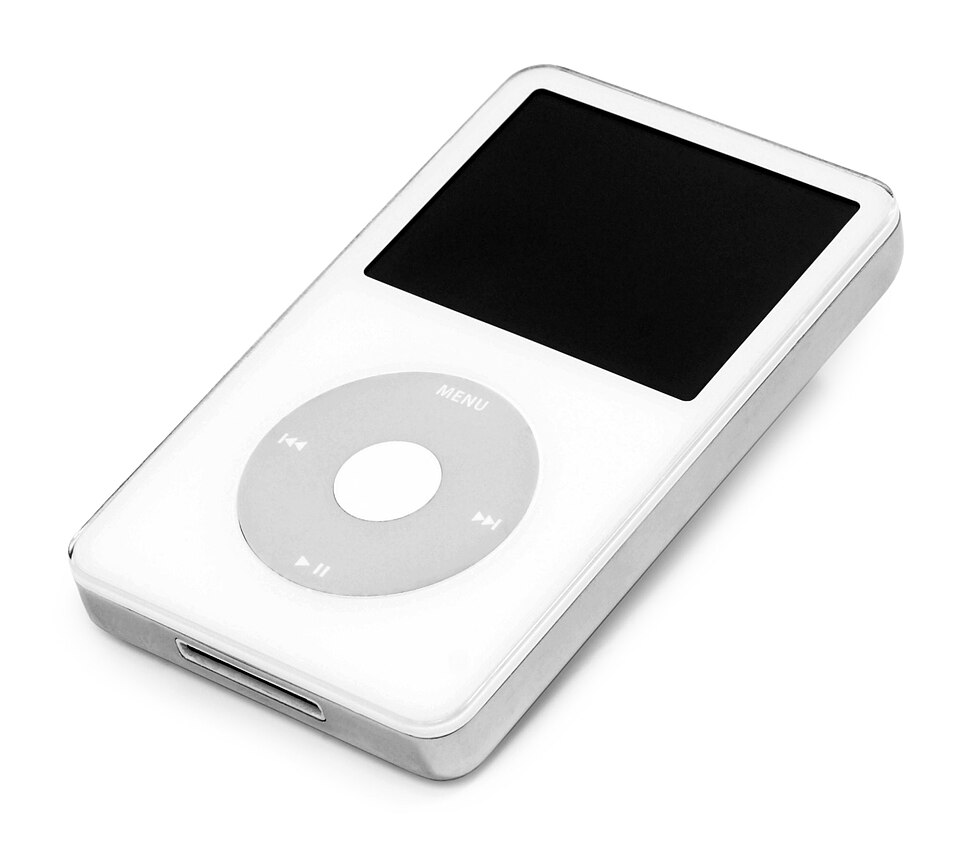 iPod (5th generation, Video)The iPod learned to play movies and TV shows, arriving alongside video sales on the iTunes Store.
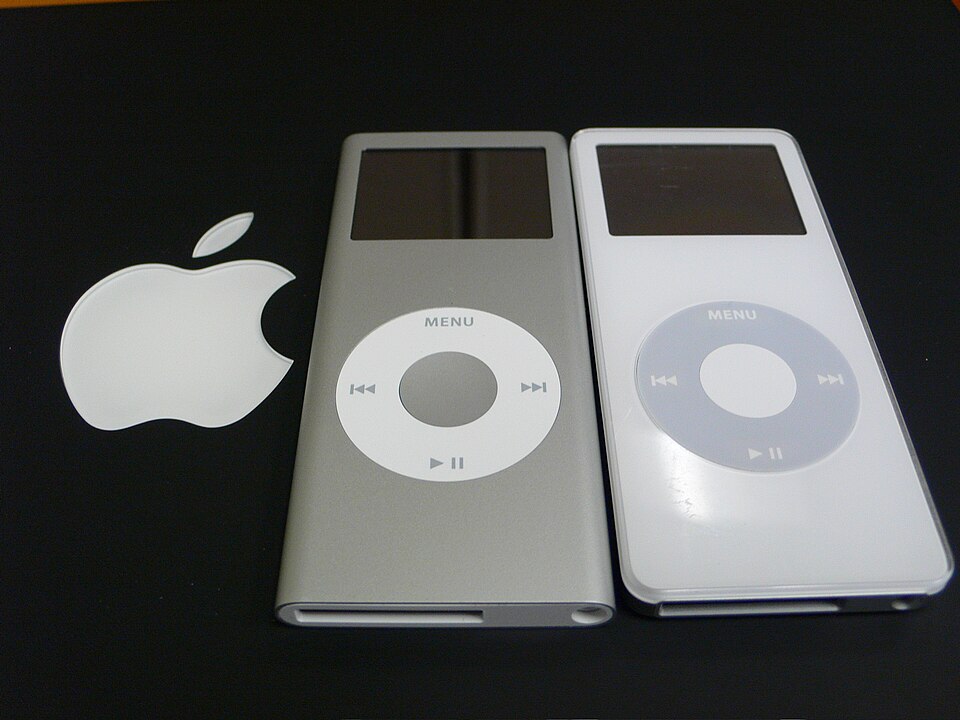 iPod nano (1st generation)When Jobs pulled the nano from the coin pocket of his jeans, the audience gasped.
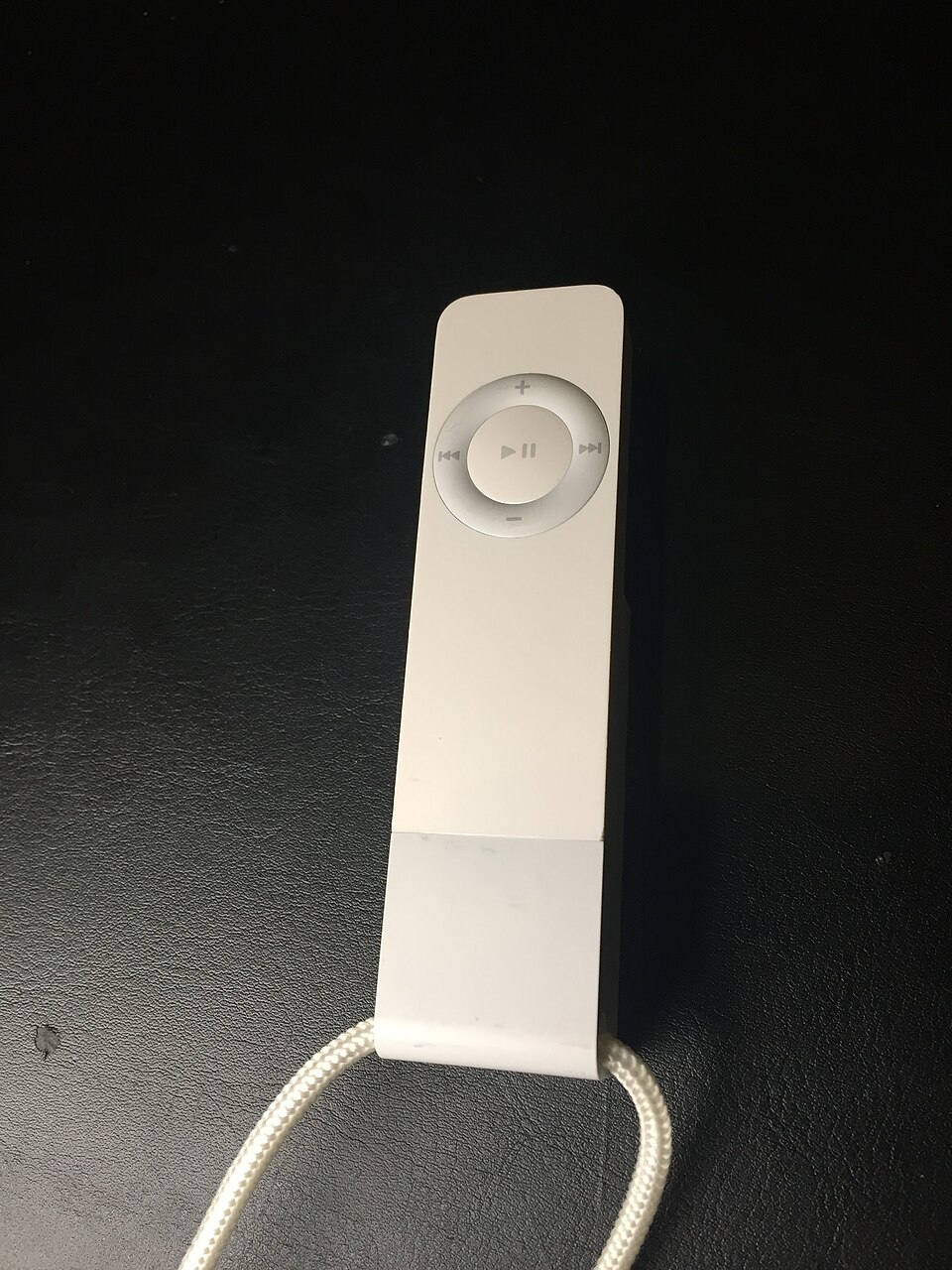 iPod shuffle (1st generation)Apple’s boldest iPod had no screen at all, leaned all the way into shuffle play, and plugged straight into USB.
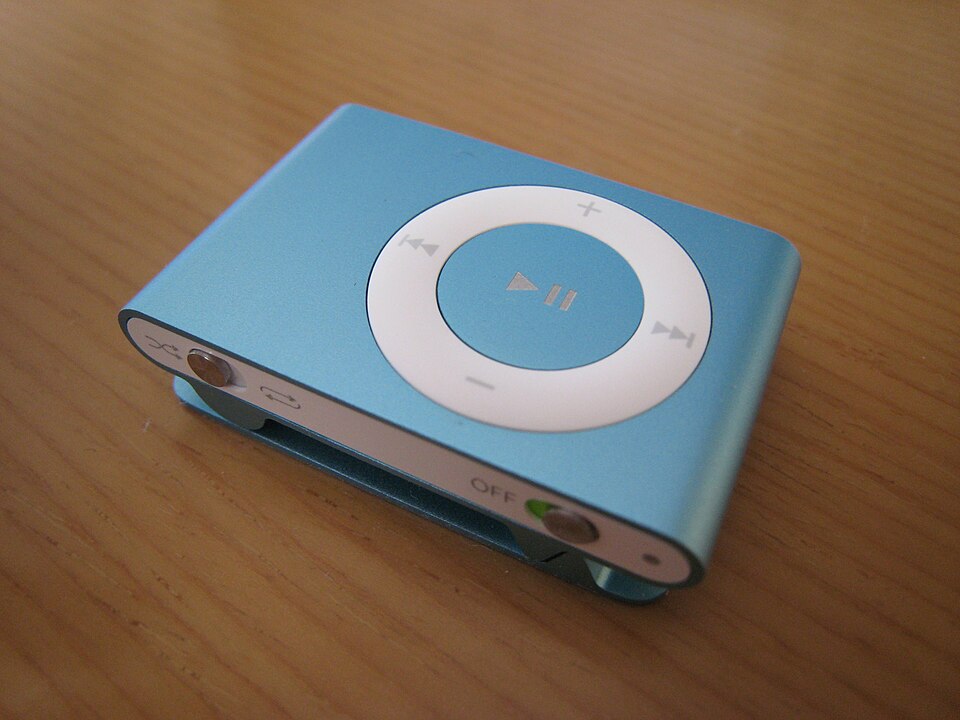 iPod shuffle (2nd generation)The shuffle became "the most wearable iPod ever," a clip-on aluminium square barely bigger than its own controls, in anodised colours.
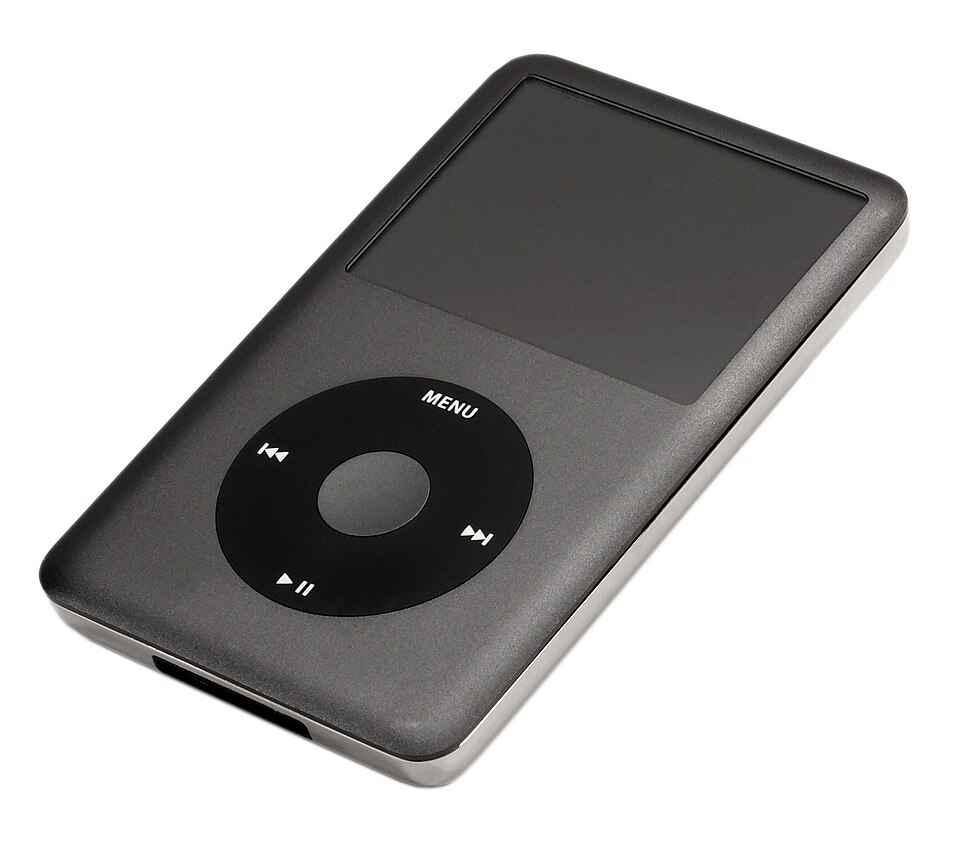 iPod classicThe hard-drive iPod’s final form: a metal "classic" holding 40,000 songs.
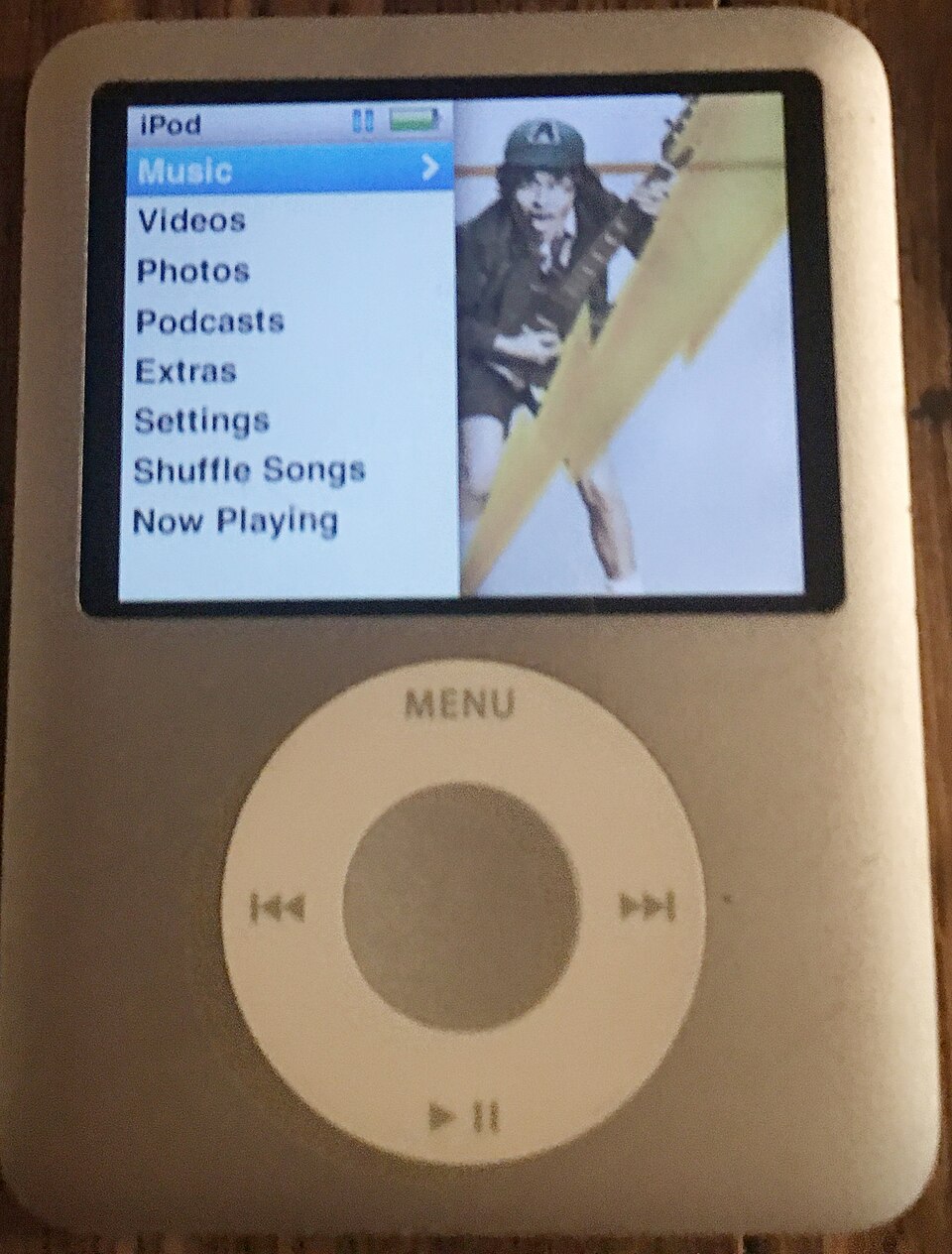
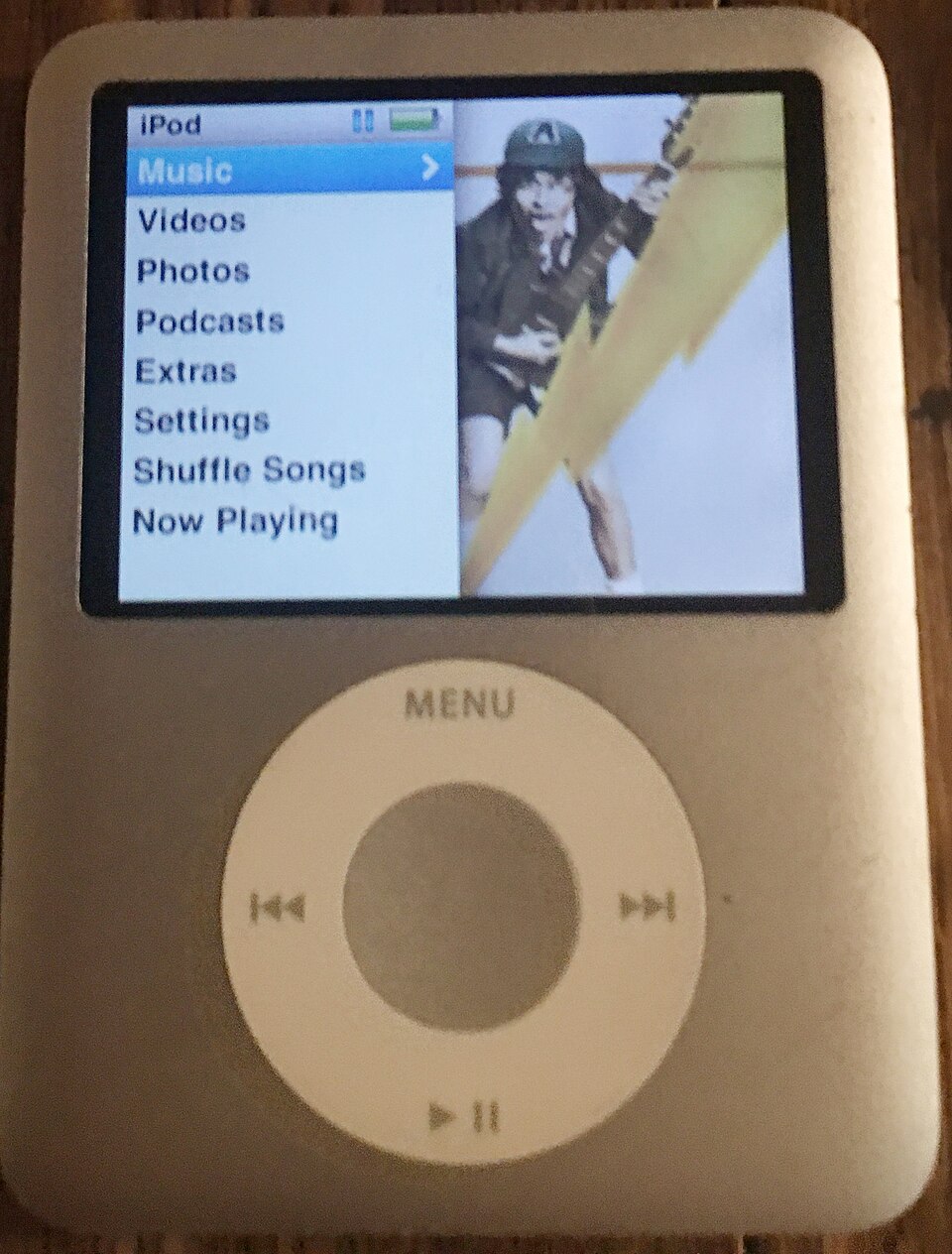 iPod nano (3rd generation)A stout, square little nano that could finally play video and browse album art in Cover Flow.
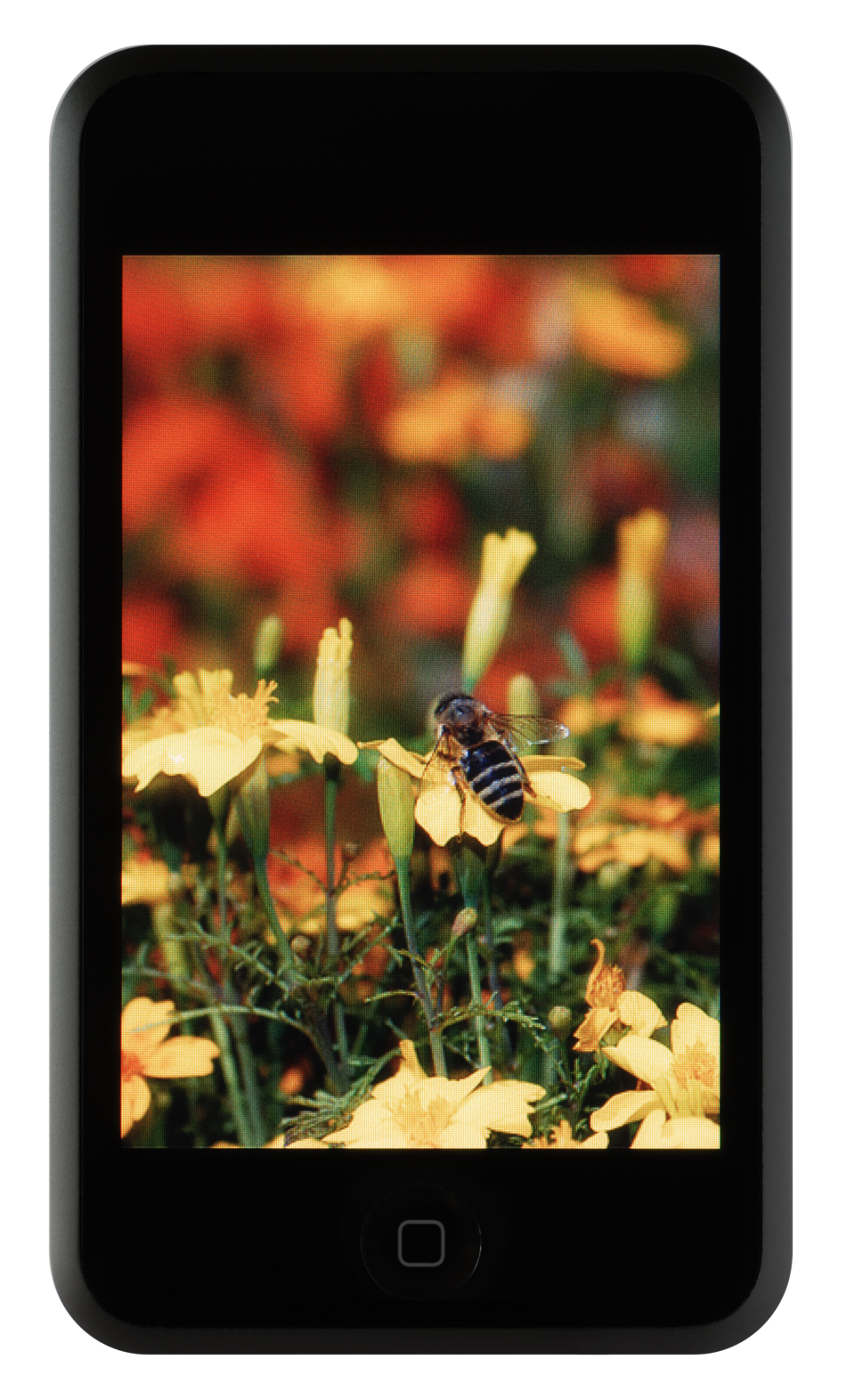 iPod touch (1st generation)Essentially an iPhone minus the cellular radio, it put multitouch and soon the App Store into the hands of millions not ready to switch carriers, and of a generation of kids.
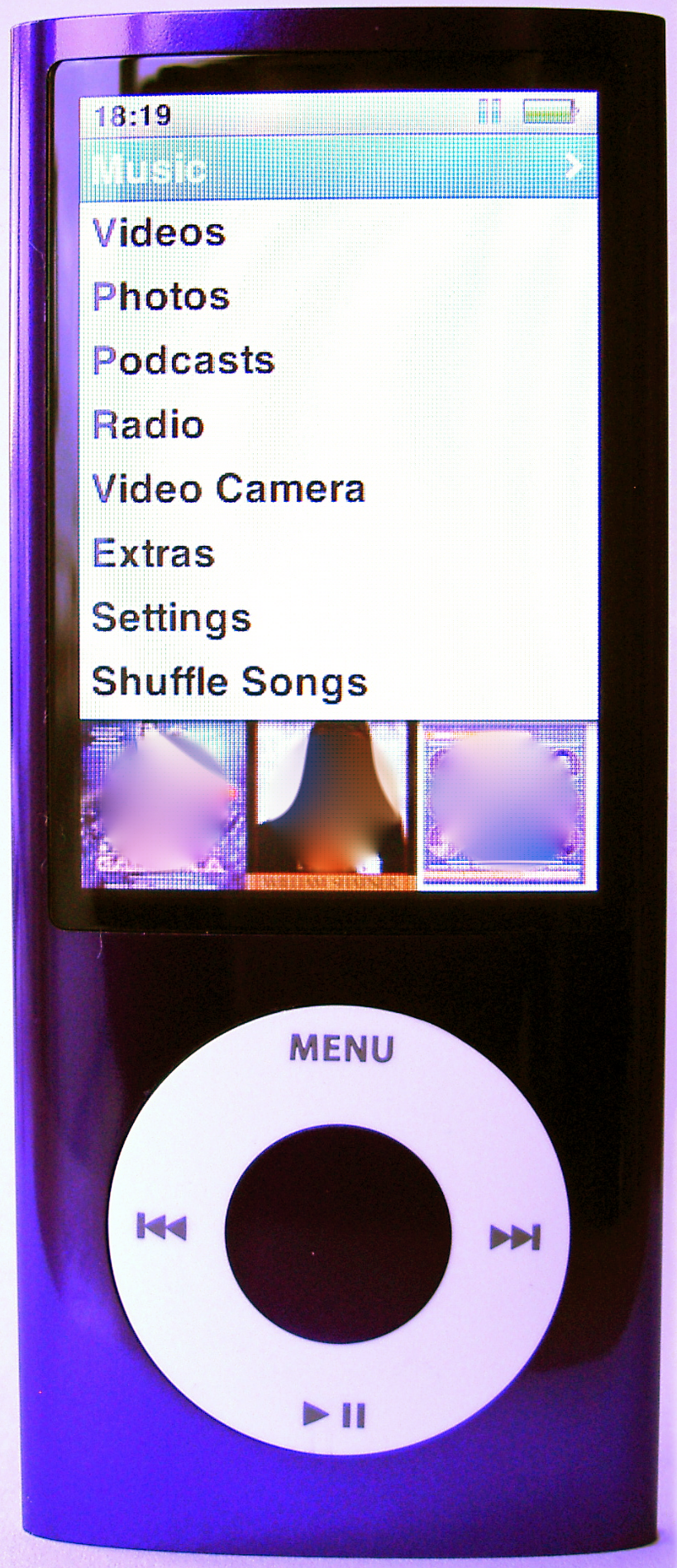 iPod nano (5th generation)The tall nano packed in a surprising amount: a video camera, an FM tuner you could pause, and a pedometer, all in a body about the size of a stick of gum.
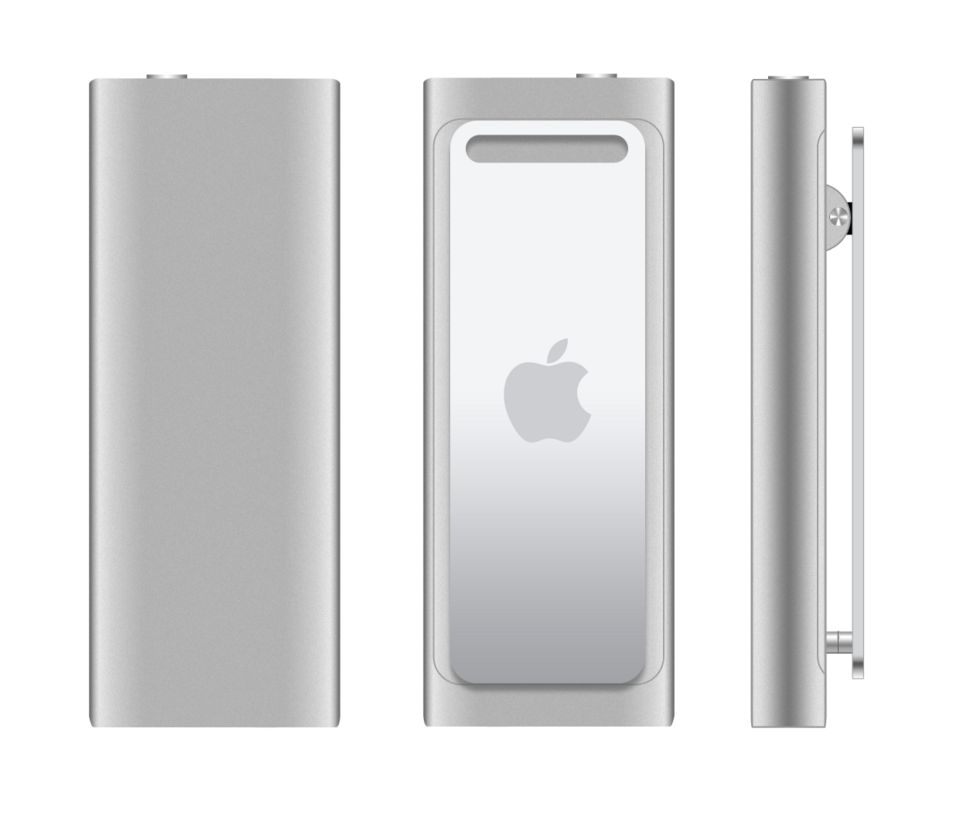 iPod shuffle (3rd generation)The third shuffle was Apple at its most stubborn: a polished metal stick with no buttons, controlled from special earbuds while VoiceOver read track names aloud.
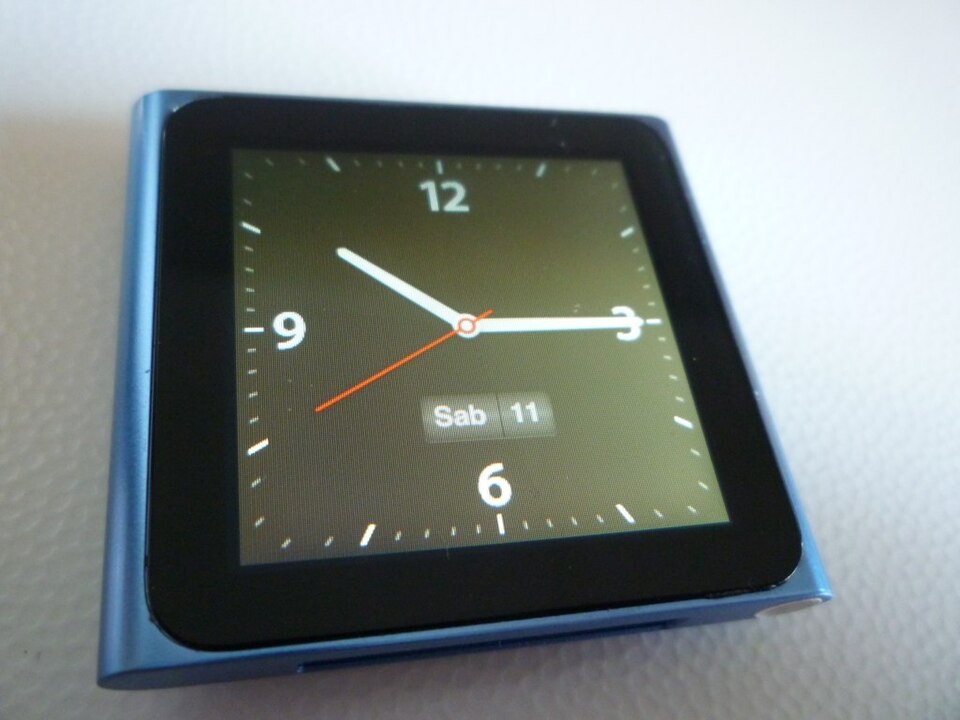 iPod nano (6th generation)Apple shrank the nano to a clip-on touchscreen postage stamp.
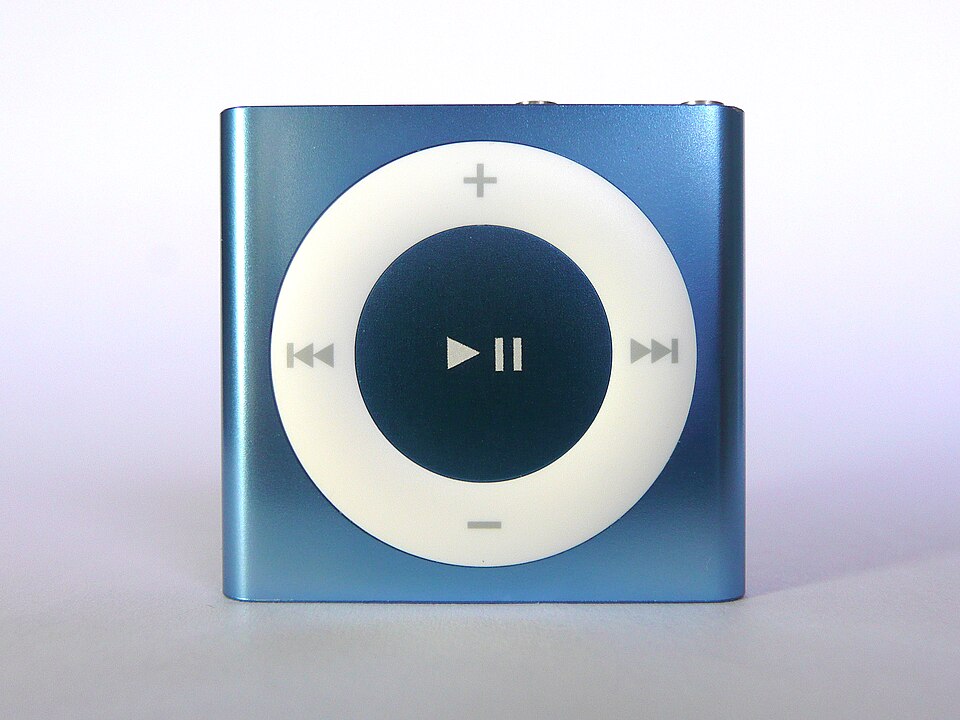 iPod shuffle (4th generation)After a controversial button-less third generation, the buttons returned, plus VoiceOver, which read out song titles so a screenless player finally made sense.
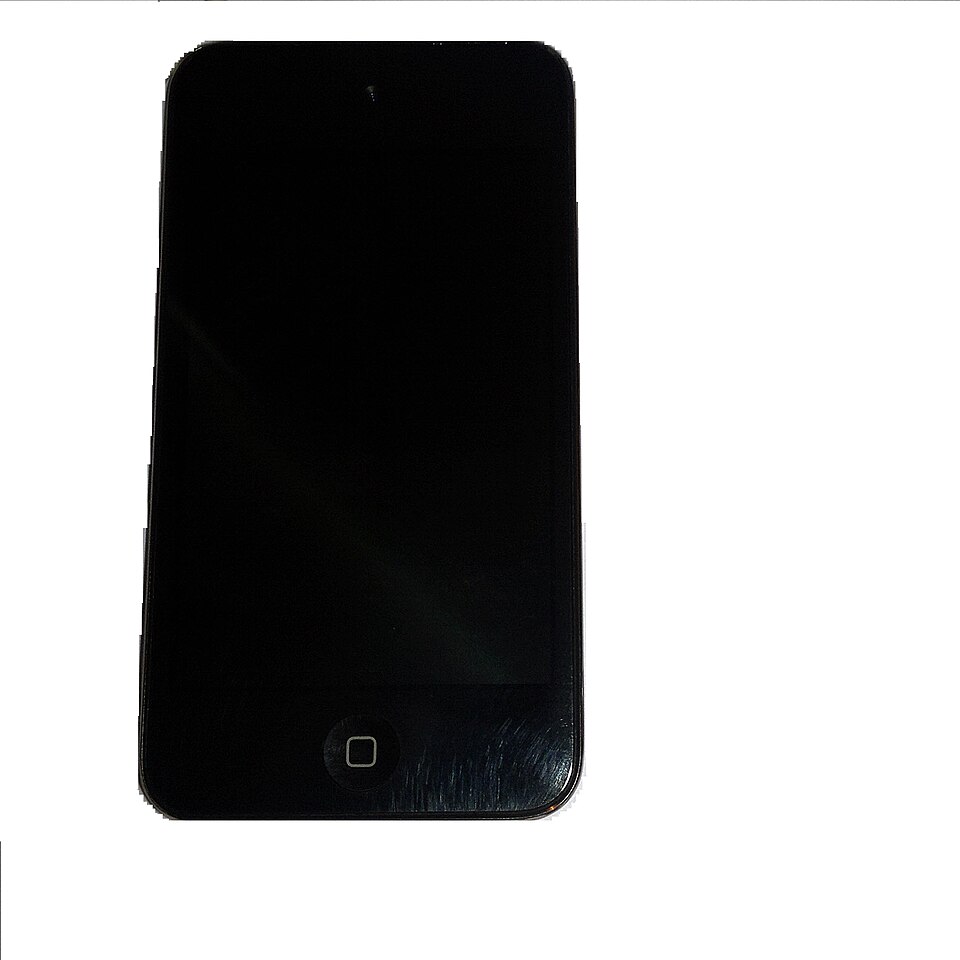 iPod touch (4th generation)The touch got the iPhone 4’s Retina screen and front camera, making FaceTime a Wi-Fi reality for teens everywhere.
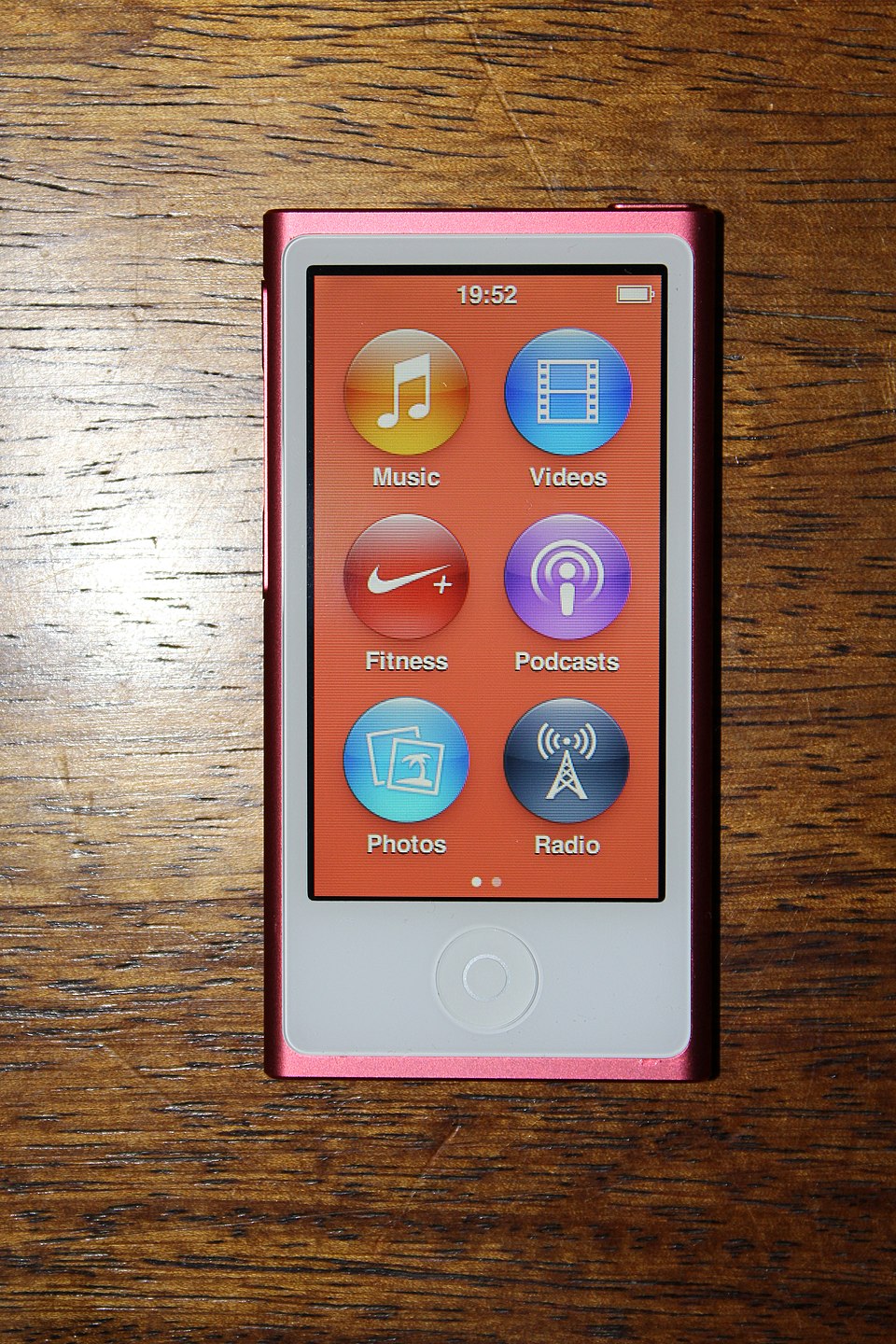 iPod nano (7th generation)The final nano returned to a tall touchscreen slab with Bluetooth and a Home button.
 iPod touch (5th generation)Thin, light and colourful with the taller 4" screen and a wrist strap "loop," it was the most pocketable full-touch iPod, and a hit as a kid’s first iOS device.
 iPod touch (7th generation)A quiet final chapter: the A10 Fusion in the familiar 4" body, capable of group FaceTime and AR.
Browse by year
2001
2003
2004
2005
2006
2007
2009
2010
2012
2019
Last updated: 2026-10-01